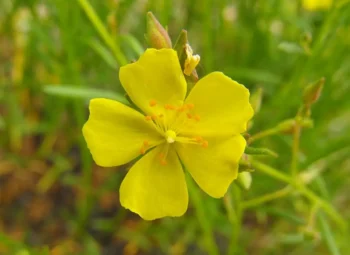
Bisbee Peak Rushrose: A Rare California Native Worth Knowing About
If you’ve stumbled across the name Bisbee Peak rushrose (Helianthemum scoparium), you’ve discovered one of California’s botanical mysteries. This rare native shrub is so uncommon that even seasoned gardeners and botanists might do a double-take when they encounter it.
What Exactly Is Bisbee Peak Rushrose?
Bisbee Peak rushrose is a perennial shrub that belongs to the rock-rose family. Like other shrubs, it’s a multi-stemmed woody plant that typically stays under 13-16 feet tall, with several stems emerging from or near ground level. You might also see this plant listed under various synonyms in older botanical references, including Helianthemum aldersonii or Helianthemum suffrutescens.
Where Does It Call Home?
This native beauty is found exclusively in California, making it a true Golden State original. As a species native to the lower 48 states, it represents part of our unique American botanical heritage.
- Species observed
- No observations
The Rarity Factor: Why You Should Pay Attention
Here’s where things get interesting (and a bit concerning). Bisbee Peak rushrose carries a Global Conservation Status of S2Q, indicating it’s quite rare. This rarity status means that if you’re lucky enough to encounter this plant or consider growing it, you’ll want to be extra thoughtful about sourcing.
Important note: If you’re interested in growing this species, only obtain plants or seeds from reputable, responsible sources that can verify the material wasn’t collected from wild populations. Better yet, check with local native plant societies or botanical gardens for guidance.
Should You Grow Bisbee Peak Rushrose?
The honest answer is… it’s complicated. While this California native would theoretically be a wonderful addition to a native garden, its extreme rarity means there’s very limited information available about its specific growing requirements, care needs, or even its appearance and garden performance.
What We Know (And Don’t Know)
Unfortunately, detailed growing information for Bisbee Peak rushrose is scarce. We know it’s a perennial shrub native to California, but specifics about:
- Preferred soil conditions
- Water requirements
- Sun exposure needs
- Mature size and growth rate
- Flower characteristics and timing
- Wildlife and pollinator benefits
…are largely unknown or undocumented in readily available sources.
Alternative Approaches for Native Garden Enthusiasts
If you’re drawn to the idea of growing California native rushrose species, consider exploring other Helianthemum species or related plants that are better understood and more readily available. Many native plant nurseries can recommend similar shrubs that offer comparable ecological benefits without the concerns that come with rare species.
You might also consider reaching out to:
- Local chapters of the California Native Plant Society
- University extension programs
- Regional botanical gardens
- Native plant specialists
These resources might have additional insights about Bisbee Peak rushrose or can suggest well-documented alternatives that would thrive in your specific location.
The Bigger Picture
While Bisbee Peak rushrose might not be the easiest addition to your garden, learning about rare native species like this one reminds us of the incredible diversity of plant life that calls our regions home. Every rare plant tells a story about unique ecological niches and the importance of preserving native habitats.
Sometimes the most valuable thing we can do as gardeners is simply appreciate and protect these botanical treasures, even if we can’t grow them in our own backyards.