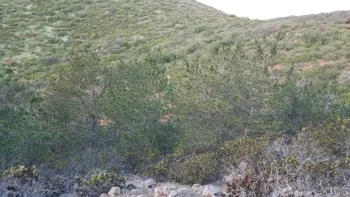
Bishop Pine: A Coastal Beauty for Your Native Garden
If you’re dreaming of bringing that windswept coastal vibe to your garden, let me introduce you to the Bishop pine (Pinus muricata) – a remarkable native conifer that’s perfectly adapted to life along the Pacific coast. This distinctive evergreen has been gracing California and Oregon’s coastlines for millennia, and it might just be the perfect addition to your landscape.
Where Bishop Pine Calls Home
Bishop pine is a true West Coast native, naturally occurring along the coastal regions of California and Oregon. You’ll find these hardy trees thriving in the fog-kissed environments from the Channel Islands up to the Oregon coast, where they’ve adapted to some pretty challenging growing conditions that would make other trees throw in the towel.
- Species observed
- No observations
What Makes Bishop Pine Special
This isn’t your typical backyard pine tree. Bishop pine has a personality all its own, with a distinctive conical shape that can reach an impressive 90 feet at maturity (though most garden specimens stay much smaller). What really sets it apart is its rapid growth rate – you can expect about 35 feet of height in just 20 years, making it an excellent choice if you want relatively quick results.
The tree maintains dense, medium-textured foliage year-round, creating excellent privacy screening and windbreak potential. Its green needles provide a beautiful backdrop, while the brown cones add visual interest and are quite conspicuous when present.
Perfect Garden Roles
Bishop pine excels in several landscape applications:
- Specimen tree for focal points
- Windbreak or privacy screen
- Coastal garden centerpiece
- Erosion control on slopes
- Naturalistic landscape element
Ideal Garden Settings
This pine thrives in Mediterranean-style landscapes, coastal gardens, and native plant designs. It’s particularly well-suited for properties that experience coastal conditions or where you want to create that authentic California coastal aesthetic. The tree’s natural fire tolerance also makes it valuable in fire-prone areas, though it’s not completely fire-resistant.
Growing Conditions and Care
Bishop pine is surprisingly specific about its preferences, which makes sense given its coastal origins:
- Soil: Prefers coarse to medium-textured, well-draining soils with slightly acidic to neutral pH (5.4-7.0)
- Water: Medium moisture needs with low drought tolerance – don’t let it get too dry
- Sun: Surprisingly shade tolerant, though grows best in full sun
- Climate: USDA zones 8-10, needs at least 200 frost-free days
- Fertilizer: Low fertility requirements – actually prefers leaner soils
Planting and Care Tips
Getting your Bishop pine established successfully requires some attention to detail:
- Plant in spring after the last frost for best establishment
- Space trees 430-1200 per acre if creating a grove (roughly 15-30 feet apart)
- Ensure consistent moisture during establishment – this tree doesn’t handle drought stress well when young
- Avoid heavy, clay soils – drainage is crucial
- Cold stratification of seeds is required if growing from seed
- Container or bare-root plants are readily available through specialty nurseries
Wildlife and Ecological Benefits
While Bishop pine is wind-pollinated (so it won’t attract bees and butterflies), it provides excellent wildlife habitat. Birds appreciate both the seeds and the dense branching for nesting sites, while the tree offers year-round shelter for various wildlife species.
A Word About Conservation
Bishop pine has a somewhat complex conservation status, so if you’re planning to add one to your garden, make sure to source your plant from a reputable nursery that uses responsibly collected material. This helps ensure wild populations remain undisturbed.
Is Bishop Pine Right for You?
Bishop pine is perfect if you want a fast-growing, distinctive native conifer that brings authentic coastal character to your landscape. However, it’s not the best choice for areas with poor drainage, extreme drought conditions, or locations far from its natural coastal range. If you can provide the right growing conditions, this remarkable native tree will reward you with decades of beauty and wildlife habitat.
Consider Bishop pine if you’re creating a native plant garden, need an effective windbreak, or simply want to connect your landscape to California’s natural coastal heritage. Just remember – like any good coastal resident, it appreciates consistent moisture and good drainage!