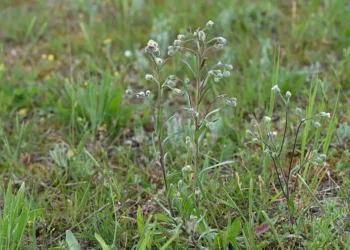
Bitter Fleabane: A Hardy Native Wildflower for Every Garden
If you’re looking for a tough-as-nails native wildflower that won’t quit, let me introduce you to bitter fleabane (Erigeron acris). This unassuming little charmer might not have the flashiest name in the plant kingdom, but don’t let that fool you – it’s a real garden workhorse that deserves a spot in your native plant collection.
What is Bitter Fleabane?
Bitter fleabane goes by several names, including bitter daisy and blue fleabane, though the flowers are typically white to pale pink rather than blue. This hardy forb – that’s garden-speak for a non-woody flowering plant – has a fascinating flexibility when it comes to its lifecycle. Depending on growing conditions, it can behave as an annual, biennial, or perennial, adapting to whatever Mother Nature throws its way.
As a true native plant, bitter fleabane calls North America home, with natural populations stretching across Alaska, Canada, and the lower 48 states. You’ll find it thriving everywhere from Alberta and British Columbia down to California and New Mexico, and from Maine over to Washington state. Talk about a well-traveled native!
- Species observed
- No observations
Why Grow Bitter Fleabane?
Here’s where this little plant really shines. Bitter fleabane produces clusters of small, daisy-like flowers with white to pale pink petals surrounding sunny yellow centers. Each bloom is modest in size – about half an inch to an inch across – but they make up for it in sheer abundance. When this plant decides to flower, it really goes for it, creating clouds of tiny blossoms that dance in the summer breeze.
But the real magic happens when the pollinators discover your bitter fleabane patch. Small native bees, beneficial flies, and butterflies absolutely love these flowers. The shallow, open blooms are perfectly designed for smaller pollinators that might struggle with deeper, more complex flowers.
Perfect Spots for Bitter Fleabane
This adaptable native is surprisingly versatile when it comes to garden placement. Consider bitter fleabane for:
- Rock gardens where its tough constitution really shines
- Alpine or mountain-themed gardens
- Wildflower meadows and naturalized areas
- Ground cover in challenging spots
- Pollinator gardens where every bloom counts
One of bitter fleabane’s superpowers is its ability to handle both wetland and upland conditions. Depending on your region, it can adapt to slightly moist areas or drier upland sites, making it incredibly forgiving for gardeners still figuring out their soil conditions.
Growing Bitter Fleabane Successfully
Here’s the best news: bitter fleabane is ridiculously easy to grow. This plant thrives in USDA hardiness zones 2 through 7, which covers most of the northern United States and all of Canada’s populated areas.
Light and Soil Requirements
Give your bitter fleabane full sun to partial shade – it’s not picky. As for soil, this plant actually prefers well-drained conditions and can handle poor soils that would make other plants throw in the trowel. Rich, overly fertile soil might actually make it too comfortable and less likely to bloom prolifically.
Planting and Care Tips
Once established, bitter fleabane is remarkably drought-tolerant, making it perfect for low-water gardens or areas where you might forget to drag out the hose. The plant is also a champion self-seeder, so don’t be surprised if you find new plants popping up in nearby areas – consider it a bonus!
Maintenance is minimal. You can deadhead spent flowers if you want to prevent self-seeding, or leave them for the birds and let nature take its course. The plant typically doesn’t need fertilizing, and overwatering can actually do more harm than good.
A Native Worth Knowing
In a world of flashy non-native garden plants, bitter fleabane represents something special – a true native that supports local ecosystems while asking for almost nothing in return. It’s the kind of plant that makes you feel like a gardening genius, even if you’re just starting out with native species.
Whether you’re creating a pollinator paradise, establishing a low-maintenance wildflower area, or just want to add some authentic local character to your landscape, bitter fleabane delivers. Sometimes the most rewarding garden plants are the ones that simply make themselves at home and get on with the business of blooming.