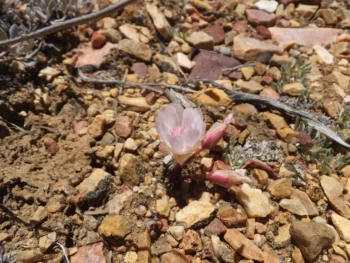
Bitter Root: A Tough Native Beauty for Western Gardens
Meet the bitter root (Lewisia rediviva var. minor), a remarkable little native plant that’s as resilient as it is beautiful. This petite perennial forb might just be the perfect addition to your drought-tolerant garden—if you can find it responsibly sourced and live in the right climate zone.
What Makes Bitter Root Special
Don’t let its delicate appearance fool you. Bitter root is a true survivor, native to the mountainous and desert regions of California, Nevada, and Utah. This succulent forb produces stunning pink to white flowers that seem to appear almost magically in spring, often emerging before the plant’s fleshy leaves have fully developed. It’s like nature’s own little surprise package!
- Species observed
- No observations
A Plant with History and Character
Also known by its scientific synonyms Lewisia minor and Lewisia rediviva ssp. minor, this variety of bitter root carries the hardy genes of its famous relatives. As a native species to the lower 48 states, it has adapted perfectly to the challenging conditions of the American West.
Why Your Garden Might Love Bitter Root
If you’re looking for a low-maintenance, drought-tolerant plant that delivers big visual impact, bitter root could be your new garden hero. Here’s what makes it garden-worthy:
- Exceptional drought tolerance once established
- Showy spring blooms that attract native pollinators
- Perfect for rock gardens and alpine plantings
- Extremely low water requirements
- Compact size ideal for small spaces
Where Bitter Root Thrives
This little powerhouse performs best in USDA hardiness zones 4-8, making it suitable for much of the mountain West and areas with similar climates. It’s the star performer in:
- Rock gardens and alpine settings
- Xeriscaped landscapes
- Native plant gardens
- Drought-tolerant groundcover applications
Growing Conditions: Less is More
Bitter root follows the tough love philosophy of gardening. It actually prefers to be somewhat ignored! Here are its simple requirements:
- Soil: Well-draining, sandy or rocky soil is essential—this plant absolutely hates wet feet
- Sun: Full sun to partial shade
- Water: Minimal once established; think desert conditions
- Drainage: Cannot be overstated—excellent drainage is critical for success
Planting and Care Tips
Success with bitter root comes down to mimicking its native mountain habitat:
- Plant in spring after the last frost
- Amend heavy soils with sand, gravel, or pumice to improve drainage
- Water sparingly—only during extended dry periods in the first year
- Protect from winter moisture with gravel mulch or overhead cover
- Avoid fertilizing; this plant thrives in poor soils
Important Conservation Note
Bitter root has a conservation status that requires attention from responsible gardeners. If you’re interested in growing this species, please ensure you source it from reputable native plant nurseries that propagate their own stock rather than wild-collecting. This helps protect wild populations while still allowing you to enjoy this beautiful native in your garden.
Pollinator and Wildlife Benefits
While small in stature, bitter root punches above its weight when it comes to supporting local ecosystems. Its nectar-rich flowers provide important early-season food for native bees and other small pollinators, making it a valuable addition to pollinator-friendly landscapes.
The Bottom Line
Bitter root is definitely worth considering if you garden in the western United States and appreciate low-maintenance plants with high visual impact. Just remember: excellent drainage is non-negotiable, less water is more, and always source responsibly. With the right conditions and ethical sourcing, this tough little native can bring a piece of the American West’s rugged beauty right to your backyard.