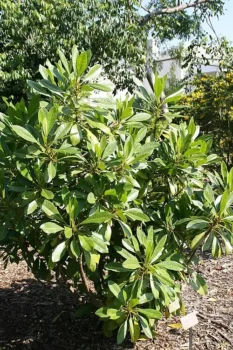
Bitter Tree: A Rare Pacific Native Worth Knowing About
If you’ve never heard of the bitter tree (Soulamea amara), you’re not alone! This fascinating Pacific native is one of those plants that flies under the radar, despite being an important part of its native ecosystem. Let’s dive into what makes this perennial shrub special and whether it might have a place in your garden.
What Is the Bitter Tree?
The bitter tree is a perennial shrub native to the Pacific Basin, specifically found in Guam and Palau. As its common name suggests, this plant is known for its bitter properties, which likely play a role in its natural defense mechanisms. Like most shrubs, it’s a multi-stemmed woody plant that typically stays under 13-16 feet in height, though it can occasionally grow taller or develop a single stem depending on environmental conditions.
Where Does It Naturally Grow?
This native plant calls the Pacific islands of Guam and Palau home, where it has adapted to the unique tropical conditions of these remote locations. Its natural range is quite limited, making it a true regional specialty.
- Species observed
- No observations
Should You Plant Bitter Tree in Your Garden?
Here’s where things get a bit tricky. While the bitter tree is undoubtedly an interesting native plant, it presents several challenges for the average gardener:
- Limited availability: Given its restricted native range, finding bitter tree plants or seeds can be extremely difficult
- Unknown growing requirements: Specific information about soil preferences, water needs, and care requirements is scarce
- Climate limitations: This tropical Pacific native likely requires very specific conditions that may be hard to replicate outside its native range
Growing Conditions and Care
Unfortunately, detailed information about the bitter tree’s preferred growing conditions is limited. Based on its native habitat in Guam and Palau, we can assume it prefers:
- Tropical or subtropical climates
- Warm temperatures year-round
- High humidity levels
- Protection from cold temperatures
Without more specific data on soil preferences, water requirements, or propagation methods, successfully growing this plant would require significant experimentation and research.
The Bottom Line
While the bitter tree is an intriguing native plant with ecological importance in its native Pacific islands, it’s not a practical choice for most gardeners. The combination of limited availability, unknown growing requirements, and specific climate needs makes it better appreciated in its natural habitat.
If you’re interested in Pacific island natives or plants with similar characteristics, consider researching other tropical shrubs that are better documented and more readily available through native plant societies or specialty nurseries. Your local extension office can also help you identify native alternatives that would thrive in your specific climate and provide similar ecological benefits.
Sometimes the most fascinating plants are the ones we admire from afar, knowing they’re doing their important work in their natural ecosystems where they belong!