Bitterbrush: A Hardy Native Shrub for Water-Wise Gardens
If you’re looking for a tough, drought-tolerant shrub that can handle whatever Mother Nature throws at it, let me introduce you to bitterbrush (Purshia). This unassuming native plant might not win any beauty contests at first glance, but it’s got character, resilience, and some serious wildlife appeal that make it a fantastic addition to the right garden.
What is Bitterbrush?
Bitterbrush is a perennial shrub that’s built to last. As a multi-stemmed woody plant, it typically grows to less than 13-16 feet in height, though most specimens stay much more manageable in garden settings. Think of it as nature’s answer to low-maintenance landscaping – it’s the kind of plant that thrives on neglect once it’s settled in.
Where Does Bitterbrush Call Home?
This hardy native is truly a plant of the American West. Bitterbrush naturally grows across an impressive range that includes British Columbia and extends throughout much of the western United States. You’ll find it thriving in Arizona, California, Colorado, Idaho, Montana, Nebraska, Nevada, New Mexico, Oregon, Texas, Utah, Washington, and Wyoming.
- Species observed
- No observations
Why Wildlife (and You) Will Love Bitterbrush
Here’s where bitterbrush really shines – it’s like a natural buffet for local wildlife. Research shows that this shrub provides 5-10% of the diet for both large animals and small mammals. While animals don’t typically use it for cover, they sure appreciate it as a reliable food source. In late spring, the small yellow flowers also attract native bees and other pollinators, adding another layer of ecological value to your garden.
Garden Appeal and Design Uses
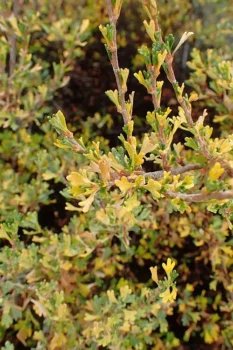
Bitterbrush brings a subtle, naturalistic beauty to the landscape. Its silvery-green foliage provides a lovely backdrop for more colorful plants, while the cheerful yellow spring blooms offer a brief but welcome burst of color. The plant’s interesting branching pattern adds structural interest, especially in winter when deciduous plants have gone dormant.
This shrub is absolutely perfect for:
- Xeriscaping and drought-tolerant gardens
- Native plant landscapes
- Wildlife habitat gardens
- Naturalistic or prairie-style plantings
- Slope stabilization projects
Growing Conditions and Care
The beauty of bitterbrush lies in its simplicity. This plant evolved in some pretty tough conditions, so it’s naturally equipped to handle challenging sites. It thrives in full sun and absolutely must have well-draining soil – soggy conditions are its kryptonite.
Bitterbrush is generally hardy in USDA zones 4-8, making it suitable for a wide range of climates. Once established, it’s remarkably drought tolerant and requires minimal supplemental watering in most areas.
Planting and Care Tips
Getting bitterbrush established in your garden is refreshingly straightforward:
- Timing: Plant in fall or early spring when temperatures are moderate
- Soil prep: Ensure excellent drainage – amend heavy clay soils with coarse sand or gravel if necessary
- Watering: Water regularly the first year, then reduce to occasional deep watering once established
- Pruning: Light pruning after flowering helps maintain shape, but heavy pruning isn’t necessary
- Fertilizing: Skip the fertilizer – this plant prefers lean soils and too much nutrition can actually harm it
Is Bitterbrush Right for Your Garden?
Bitterbrush is an excellent choice if you’re looking to create a low-maintenance, water-wise landscape that supports local wildlife. It’s particularly valuable in areas where you want to establish natural habitat or need plants that can handle drought conditions.
However, this isn’t the plant for formal gardens or areas where you want lush, tropical-looking vegetation. Its appeal is more subtle and naturalistic, making it perfect for gardeners who appreciate the beauty of native landscapes and want to support local ecosystems.
If you’re ready to embrace water-wise gardening and create habitat for local wildlife, bitterbrush might just be the perfect addition to your landscape. It’s proof that sometimes the most unassuming plants can offer the greatest rewards – both for gardeners and the creatures that call our gardens home.