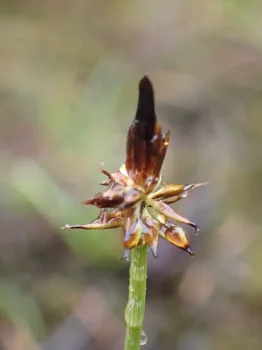
Black Alpine Sedge: A Hardy Mountain Native for Cool-Climate Gardens
If you’re looking for a tough, no-fuss native plant that can handle challenging mountain conditions, black alpine sedge (Carex nigricans) might just be your new gardening companion. This hardy perennial sedge brings the rugged beauty of high-elevation landscapes right to your backyard.
What Makes Black Alpine Sedge Special?
Black alpine sedge is a true mountain dweller, naturally found in the alpine and subalpine zones of western North America. As a member of the sedge family, it’s a grass-like perennial that forms dense, attractive tufts of fine-textured foliage. The plant gets its common name from the distinctive dark scales on its flower spikes, which create an appealing contrast against the green foliage.
Where Does It Call Home?
This remarkable native sedge has an impressive range across western North America. You’ll find it naturally growing in Alberta, British Columbia, Alaska, California, Colorado, Yukon, Idaho, Montana, Nevada, Oregon, Utah, Washington, and Wyoming. It’s perfectly at home in the harsh conditions of high-elevation environments, making it an excellent choice for gardeners dealing with challenging climates.
- Species observed
- No observations
Why Consider Black Alpine Sedge for Your Garden?
There are several compelling reasons to add this mountain native to your landscape:
- Extreme hardiness: Thrives in USDA zones 3-7, handling harsh winters with ease
- Low maintenance: Once established, requires minimal care
- Erosion control: Dense, tufted growth helps stabilize soil on slopes
- Wetland tolerance: Classified as facultative wetland, meaning it adapts to both wet and moderately dry conditions
- Native plant benefits: Supports local ecosystems and provides habitat for wildlife
Perfect Garden Settings
Black alpine sedge shines in specific garden situations where its mountain heritage becomes an asset:
- Rock gardens: Complements alpine plants and stone features beautifully
- Alpine gardens: Perfect for recreating high-elevation plant communities
- Naturalized areas: Excellent for low-maintenance, natural-looking landscapes
- Wetland margins: Thrives in areas with seasonal moisture variation
- Slopes and banks: Provides effective erosion control
Growing Conditions and Care
Success with black alpine sedge comes from understanding its mountain preferences:
Light: Performs best in full sun to partial shade, mimicking its natural high-elevation habitat where light is intense but temperatures remain cool.
Soil: Prefers moist to wet soils but can adapt to drier conditions once established. Good drainage is important to prevent root rot, especially in winter.
Water: Consistent moisture is ideal, though the plant shows good drought tolerance after establishment.
Temperature: Loves cool conditions and may struggle in hot, humid climates.
Planting and Establishment Tips
Getting black alpine sedge off to a good start requires attention to a few key details:
- Timing: Plant in spring or early fall when temperatures are cool
- Soil preparation: Ensure good drainage while maintaining moisture-holding capacity
- Spacing: Allow adequate room for the tufted growth habit
- Watering: Keep consistently moist during the first growing season
- Patience: Like many alpine plants, establishment may take time but results in a very durable plant
Wildlife and Ecosystem Benefits
While black alpine sedge is wind-pollinated and doesn’t directly attract pollinators like flowering plants do, it still provides valuable ecosystem benefits. The dense growth provides shelter for small wildlife and insects, and the seeds may be utilized by birds. As a native plant, it supports the broader web of relationships that make healthy ecosystems function.
Is Black Alpine Sedge Right for Your Garden?
This mountain native is an excellent choice if you’re gardening in cooler climates, dealing with challenging sites, or simply want to incorporate authentic regional plants into your landscape. It’s particularly valuable for gardeners seeking low-maintenance options that can handle tough conditions while still looking attractive.
However, if you’re in a hot, humid climate or looking for flashy flowering displays, black alpine sedge might not be your best bet. This is a plant that offers subtle beauty and reliable performance rather than showstopping color.
For the right garden and the right gardener, black alpine sedge represents the best of native plant gardening: tough, beautiful, and perfectly adapted to its environment. Sometimes the most rewarding plants are those that bring a piece of wild landscape home with them.