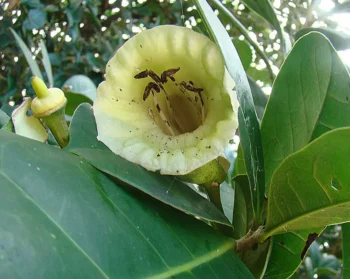
Black Calabash: A Unique Native Tree for Tropical Gardens
If you’re looking for a conversation starter in your tropical garden, meet the black calabash (Amphitecna latifolia) – a fascinating native tree that’s as functional as it is beautiful. This perennial tree brings both shade and character to warm-climate landscapes, producing distinctive large fruits that give it its memorable common name.
Where Does Black Calabash Call Home?
Black calabash is proudly native to some of America’s warmest regions, including Florida, Puerto Rico, and the U.S. Virgin Islands. This tree has adapted perfectly to tropical and subtropical climates, making it a fantastic choice for gardeners in these areas who want to support local ecosystems while creating stunning landscapes.
- Species observed
- No observations
What Makes Black Calabash Special?
This perennial tree is quite the showstopper, typically growing as a single-trunked specimen that can reach heights of 13-16 feet or more under ideal conditions. What really sets black calabash apart are its large, rounded fruits (the calabashes) that hang from the branches like natural ornaments. Combined with its broad, tropical-looking leaves, this tree creates an exotic atmosphere that screams tropical paradise.
The scientific name Amphitecna latifolia has a synonym you might encounter: Enallagma latifolia (Mill.) Small, so don’t be confused if you see both names used interchangeably.
Perfect Garden Settings
Black calabash thrives in:
- Tropical and subtropical garden designs
- Coastal landscapes (it tolerates salt spray beautifully)
- Specimen plantings where you want a focal point
- Shade gardens where you need overhead canopy
- Native plant gardens in appropriate regions
Growing Conditions That Make It Happy
This tree is surprisingly adaptable when it comes to growing conditions. Black calabash performs best in full sun to partial shade and prefers well-draining soil. One of its superpowers is salt tolerance, making it perfect for coastal properties where many other trees struggle.
Regarding wetlands, black calabash has an interesting relationship with water. In the Atlantic and Gulf Coastal Plain region, it’s considered Facultative Upland, meaning it usually grows in non-wetland areas but can handle some moisture. In the Caribbean region, it’s labeled simply Facultative, indicating it’s comfortable in both wet and dry conditions.
Climate Requirements
Here’s the catch – black calabash is strictly a warm-climate tree. It thrives in USDA hardiness zones 10-11, which means it cannot tolerate frost or freezing temperatures. If you live outside these zones, this tree unfortunately isn’t for you, but don’t despair! Consider native alternatives suited to your specific climate.
Planting and Care Tips
Getting your black calabash established is relatively straightforward:
- Plant in a location with good drainage and plenty of space for growth
- Provide regular watering during the establishment period (first 1-2 years)
- Once established, the tree becomes quite drought tolerant
- Minimal pruning required – just remove dead or damaged branches
- Mulch around the base to retain moisture and suppress weeds
Wildlife and Pollinator Benefits
Black calabash isn’t just pretty – it’s also an ecological powerhouse. The tree’s flowers are specially adapted to attract bats, which serve as the primary pollinators. This makes it a valuable addition to gardens focused on supporting diverse wildlife populations. Some insects also visit the flowers, adding to the tree’s ecological value.
Should You Plant Black Calabash?
If you live in zones 10-11 and want a unique, native tree that supports local wildlife while providing tropical beauty, black calabash could be perfect for your landscape. Its combination of attractive foliage, interesting fruits, and ecological benefits make it a worthwhile addition to the right garden.
However, if you’re outside its hardiness range, it’s better to choose native trees suited to your local climate. Remember, the best gardens work with nature, not against it!
Whether you’re creating a coastal oasis or adding character to your tropical landscape, black calabash offers something special – a native tree that’s both beautiful and beneficial, with just enough quirky charm to make your garden memorable.