Black Cherry Variety: A Rare Texas Native Worth Knowing
If you’re a Texas gardener looking to add authentic native character to your landscape, you might want to get acquainted with Prunus serotina var. eximia. This particular variety of black cherry is a true Lone Star State original, but it’s also one of those plants that keeps a pretty low profile in the gardening world.
What Makes This Black Cherry Special?
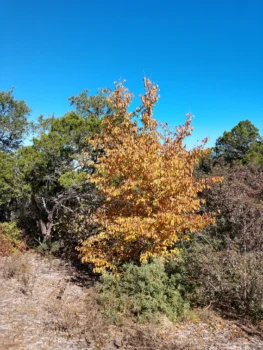
Unlike its more widely distributed cousin, the common black cherry, this variety has made Texas its exclusive home. It’s a perennial shrub that typically grows as a multi-stemmed woody plant, usually staying under 13-16 feet tall. Think of it as the more manageable, shrubby cousin of the towering black cherry trees you might know.
Where You’ll Find It Growing Wild
This black cherry variety has a pretty exclusive address – it’s only found naturally in Texas. That limited geographic footprint makes it a genuine regional treasure for native plant enthusiasts.
- Species observed
- No observations
The Rarity Factor: Why This Matters
Here’s something important to know: this variety carries a conservation status of S5T2T4, which signals that it may face some conservation concerns. While it’s not necessarily endangered, this status suggests it’s not as common as we might hope. If you’re thinking about adding it to your garden, this is definitely a source responsibly situation.
Should You Plant It?
As a Texas native, this shrub has every right to call your garden home – especially if you live in the Lone Star State. However, given its rarity status, here are some things to consider:
- Only purchase from reputable native plant nurseries that source their plants ethically
- Never collect plants from wild populations
- Consider it a special addition rather than a landscape workhorse
- Help preserve genetic diversity by supporting conservation-minded growers
The Growing Reality Check
Here’s where we need to be honest: specific growing information for Prunus serotina var. eximia is pretty scarce. This variety hasn’t made it into most mainstream gardening resources, which means you’ll be somewhat pioneering if you decide to grow it.
What we do know is that as a native Texas shrub, it’s adapted to local conditions and should theoretically be well-suited to Texas gardens. Its shrub form makes it potentially useful for naturalized areas, wildlife gardens, or native plant collections.
A Plant for the Patient Gardener
Growing Prunus serotina var. eximia might appeal to you if:
- You’re passionate about preserving Texas native plants
- You enjoy being part of conservation efforts
- You like having unusual plants with interesting stories
- You’re patient with plants that don’t come with detailed care instructions
The Bottom Line
This black cherry variety represents something special in the native plant world – a regional endemic that deserves recognition and responsible cultivation. While we can’t offer you a detailed growing guide (the research just isn’t there yet), we can say that supporting rare native plants like this one helps preserve Texas’s natural heritage.
If you do decide to seek out Prunus serotina var. eximia, approach it as both a gardening adventure and a conservation effort. Connect with native plant societies, botanical gardens, and conservation organizations in Texas – they’re your best bet for finding reliable sources and growing wisdom for this uncommon native gem.