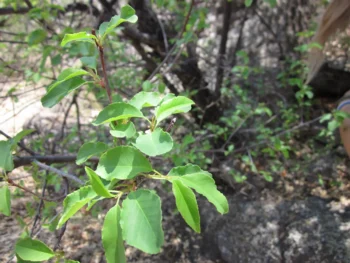
Black Cherry: A Southwestern Native That’s Perfect for Water-Wise Gardens
Looking for a tough, drought-tolerant shrub that’s actually native to the American Southwest? Meet Prunus serotina var. virens, better known as black cherry – though this isn’t your typical cherry tree! This scrappy little native is making waves in water-wise landscapes across Arizona, New Mexico, and Texas.
What Makes This Black Cherry Special?
Don’t let the name fool you – this black cherry is quite different from its tree-sized cousins. Prunus serotina var. virens (also known by the synonym Prunus virens) is a perennial shrub that typically stays under 13-16 feet tall, making it perfect for residential landscapes where you want impact without overwhelming your space.
As a true native of the lower 48 states, this plant has been thriving in the challenging conditions of Arizona, New Mexico, and Texas long before any of us started thinking about xeriscaping. It’s what we call a multi-stemmed woody plant, meaning it sends up several stems from the ground rather than growing as a single trunk.
- Species observed
- No observations
Why Your Garden (and Local Wildlife) Will Love It
This black cherry brings a lot to the table – er, garden:
- Spring brings clusters of small white flowers that pollinators absolutely adore
- Those flowers develop into dark purple-black fruits that birds can’t resist
- The attractive foliage provides year-round structure in your landscape
- Once established, it’s incredibly drought tolerant
- Perfect for erosion control on slopes or challenging sites
Where Does This Native Shine?
Prunus serotina var. virens is tailor-made for:
- Desert and xeriscape gardens
- Native plant landscapes
- Wildlife habitat gardens
- Low-maintenance residential landscapes
- Areas where you need an understory shrub
Growing Your Black Cherry Successfully
The beauty of native plants is that they’re already adapted to your local conditions. This black cherry thrives in USDA hardiness zones 7-10, which covers most of its natural range perfectly.
Light Requirements: Give it full sun to partial shade – it’s pretty flexible.
Soil Needs: Well-draining soil is key. This plant has adapted to survive in challenging southwestern soils, so don’t pamper it with rich, constantly moist conditions.
Water Wisdom: Here’s where this plant really shines. Once established (usually after the first year), it needs minimal supplemental watering. During establishment, provide regular water, then gradually reduce as the plant settles in.
Planting and Care Tips
- Plant in fall or early spring for best establishment
- Dig a hole twice as wide as the root ball but no deeper
- Backfill with native soil – no need for amendments
- Water regularly the first year, then reduce to occasional deep watering
- Minimal pruning needed – just remove dead or damaged branches
- No fertilizer required once established
The Bottom Line
Prunus serotina var. virens is one of those wonderful natives that proves you don’t have to sacrifice beauty for sustainability. It offers spring flowers, wildlife value, and incredible drought tolerance once established. If you’re gardening in Arizona, New Mexico, or Texas and want a low-maintenance shrub that actually belongs in your landscape, this black cherry variety deserves a spot in your garden.
Just remember – this is a plant that’s evolved to thrive with minimal fuss. The biggest mistake you can make is loving it too much with water and fertilizer. Give it good drainage, some space to spread, and step back to watch it work its magic in your water-wise landscape.