Black Edge Sedge: The Perfect Native Sedge for Shady Spots
If you’re looking for a tough, reliable native plant that thrives in those tricky shaded areas of your garden, let me introduce you to black edge sedge (Carex nigromarginata). This unassuming little sedge might not win any flashy flower contests, but it’s got character, resilience, and a subtle beauty that grows on you – literally and figuratively!
What Is Black Edge Sedge?
Black edge sedge is a perennial native sedge that belongs to the grass-like plant family. Don’t let the grass-like description fool you into thinking it’s just another boring ground cover. This little gem gets its name from the distinctive dark margins that edge its narrow green leaves, creating a subtle but elegant contrast that catches the eye of observant gardeners.
Where Does It Call Home?
This sedge is a true North American native, naturally occurring across a impressive range that spans from southeastern Canada down through much of the eastern United States. You’ll find it growing wild in states from Maine to Florida and west to Texas, including Alabama, Arkansas, Connecticut, Delaware, District of Columbia, Florida, Georgia, Illinois, Indiana, Kentucky, Louisiana, Maryland, Mississippi, Missouri, New Jersey, New York, North Carolina, Ohio, Oklahoma, Pennsylvania, South Carolina, Tennessee, Virginia, West Virginia, and Wisconsin, plus Ontario in Canada.
- Species observed
- No observations
The Appeal Factor
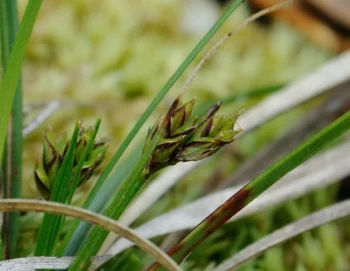
Black edge sedge forms neat little clumps of narrow, arching leaves that create a soft, textured appearance in the landscape. While it won’t knock your socks off with showy blooms, it produces small, brownish flower spikes in spring that add a quiet charm. The real star of the show is those dark-edged leaves that give the plant its name – they create a sophisticated, understated beauty that pairs beautifully with other woodland natives.
Why Your Garden Will Love It
Here’s where black edge sedge really shines as a garden companion:
- Shade tolerance: Thrives in partial to full shade where many other plants struggle
- Low maintenance: Once established, it’s practically hands-off gardening
- Native credentials: Supports local ecosystems and wildlife
- Erosion control: Great for slopes and areas prone to soil movement
- Adaptable: Tolerates various soil conditions
Perfect Garden Scenarios
Black edge sedge is ideal for several garden situations:
- Woodland gardens where it can naturalize beautifully
- Native plant collections and pollinator gardens
- Shade gardens that need reliable, textural plants
- Naturalized landscapes where you want that wild look
- Problem areas with challenging growing conditions
Growing Conditions and Care
One of the best things about black edge sedge is how easygoing it is about growing conditions. Here’s what it prefers:
- Light: Partial shade to full shade (though it can handle some morning sun)
- Soil: Well-drained to moderately moist, adaptable to various soil types
- Hardiness: USDA zones 4-9
- Water: Moderate moisture, drought tolerant once established
Wetland Status Considerations
Interestingly, black edge sedge has different moisture preferences depending on your region. In most areas, it’s considered an upland plant that rarely occurs in wetlands, making it perfect for typical garden conditions. However, in the Great Plains region, it can handle both wetland and non-wetland conditions, showing just how adaptable this little sedge can be.
Planting and Care Tips
Getting black edge sedge established is refreshingly straightforward:
- Plant in fall or early spring for best establishment
- Space plants 12-18 inches apart for natural-looking clumps
- Water regularly the first growing season, then back off – it’s quite drought tolerant
- No need for fertilizers – it’s adapted to natural soil conditions
- Minimal pruning needed; you can cut back old foliage in late winter if desired
Wildlife and Ecosystem Benefits
While black edge sedge might seem modest, it plays important roles in supporting local wildlife. As a wind-pollinated plant, it doesn’t rely on flashy flowers to attract pollinators, but it does provide valuable habitat and nesting materials for small wildlife. The seed heads offer food for birds, and the clumping growth habit creates shelter for beneficial insects and small creatures.
The Bottom Line
Black edge sedge might not be the showiest plant in your garden, but it’s definitely one of the most reliable and ecologically valuable. If you’re looking for a native plant that can handle challenging shade conditions, requires minimal maintenance, and adds subtle texture to your landscape, this sedge deserves a spot in your garden. It’s proof that sometimes the best garden plants are the ones that quietly do their job while supporting the local ecosystem – no drama required!