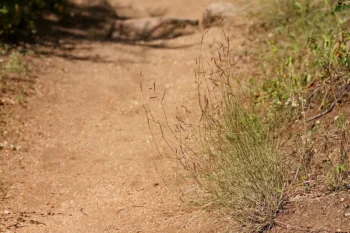
Black Grama: The Tough-as-Nails Native Grass Your Xeriscape is Craving
If you’re tired of babying your lawn and ready to embrace a grass that laughs in the face of drought, let me introduce you to black grama (Bouteloua eriopoda). This scrappy little native grass is the embodiment of work smarter, not harder when it comes to landscaping in arid regions.
What Makes Black Grama Special?
Black grama is a perennial bunchgrass that’s as American as apple pie – well, more American actually, since it’s been thriving in the southwestern United States long before European settlers arrived. This tough customer has earned its place as a cornerstone species in desert grasslands from Arizona to Texas.
Don’t let its modest 2-foot height fool you. What black grama lacks in stature, it makes up for in character. Its fine-textured, green foliage creates a soft, naturalistic appearance that’s perfect for gardeners who want beauty without the fuss.
Where Does Black Grama Call Home?
This resilient grass is native to ten western and southwestern states: Arizona, California, Colorado, Kansas, Nevada, New Mexico, Oklahoma, Texas, Utah, and Wyoming. It’s particularly at home in the Sonoran and Chihuahuan desert regions, where it forms the backbone of many grassland communities.
- Species observed
- No observations
Why Your Garden Will Love Black Grama
Here’s where black grama really shines – it’s practically maintenance-free once established. This grass is the ultimate low-maintenance companion for several reasons:
- Drought Champion: With high drought tolerance and low moisture needs, black grama thrives where other grasses throw in the towel
- Fire Resilient: Its high fire tolerance makes it an excellent choice for areas prone to wildfires
- Alkaline Soil Lover: Prefers soils with pH between 7.0-8.7, making it perfect for naturally alkaline western soils
- Temperature Tough: Hardy in USDA zones 4-9, withstanding temperatures as low as -23°F
Perfect Garden Roles for Black Grama
Black grama isn’t trying to be your typical suburban lawn – and that’s exactly why it’s so valuable. This grass excels in:
- Xeriscapes: The gold standard for water-wise gardening
- Naturalistic landscapes: Creates authentic prairie and desert grassland aesthetics
- Erosion control: Its moderate vegetative spread helps stabilize soil
- Low-maintenance groundcover: Perfect for areas where you want coverage without constant care
Growing Black Grama Successfully
The beauty of black grama is that growing it successfully mostly means getting out of its way. Here’s how to set it up for success:
Soil Requirements
Black grama prefers coarse to medium-textured soils with good drainage. It’s not picky about fertility (medium requirement) and actually prefers alkaline conditions. Avoid heavy clay soils, as this grass needs good drainage to thrive.
Water Needs
Once established, this grass requires minimal irrigation. It’s adapted to areas receiving just 7-19 inches of annual precipitation. During establishment, provide regular water, but once roots are down (typically after the first season), you can largely let nature take over.
Planting Tips
Black grama is commercially available and typically grown from seed. With 1,335,000 seeds per pound, a little goes a long way! Plant in late spring to early summer when soil temperatures are warm. The seedling vigor is medium, so be patient during establishment.
Maintenance
This is where black grama really wins hearts – it needs virtually no maintenance once established. It has a moderate growth rate and reaches maturity at about 2 feet tall. No need for regular fertilizing, frequent watering, or constant attention.
Wildlife and Ecological Benefits
While black grama may not be a showstopper for pollinators (it’s wind-pollinated), it provides valuable habitat structure for small wildlife and contributes to the ecological integrity of native grassland communities. Its seeds provide food for birds, and its dense growth offers cover for small creatures.
Is Black Grama Right for Your Garden?
Black grama is an excellent choice if you:
- Live in the western or southwestern United States within its native range
- Want a low-maintenance, drought-tolerant groundcover
- Are creating a xeriscape or native plant garden
- Have alkaline soils that challenge other plants
- Prefer naturalistic over manicured landscapes
However, it might not be the best fit if you’re looking for a traditional lawn grass for high-traffic areas, need shade tolerance (black grama is shade intolerant), or want a fast-spreading grass for quick coverage.
The Bottom Line
Black grama (Bouteloua eriopoda) is proof that sometimes the best plants are the ones that ask for the least. This native grass offers drought tolerance, low maintenance, and authentic southwestern character – all while supporting local ecosystems. In a world where water conservation is increasingly important, black grama isn’t just a smart choice; it’s a responsible one.
Ready to give your landscape the gift of a truly native, low-maintenance grass? Black grama might just be the drought-defying hero your garden has been waiting for.