Black Highbush Blueberry: A Native Gem for Your Garden
If you’re looking to add a native shrub that delivers both beauty and function to your landscape, meet the black highbush blueberry (Vaccinium fuscatum). This delightful native perennial shrub might just become your new favorite garden companion, offering seasonal interest, wildlife value, and even a tasty treat or two.
What Makes Black Highbush Blueberry Special?
Black highbush blueberry is a true American native, naturally found across an impressive range spanning 27 states from Maine down to Florida and west to Texas and Oklahoma. As a multi-stemmed woody shrub typically reaching 4-5 feet in height, it fits perfectly into most residential landscapes without overwhelming smaller spaces.
This adaptable native grows throughout Alabama, Arkansas, Connecticut, Delaware, Florida, Georgia, Indiana, Kentucky, Louisiana, Maine, Maryland, Massachusetts, Michigan, Mississippi, New Hampshire, New Jersey, New York, North Carolina, Ohio, Oklahoma, Pennsylvania, Rhode Island, South Carolina, Tennessee, Texas, Vermont, and Virginia.
- Species observed
- No observations
Year-Round Garden Appeal
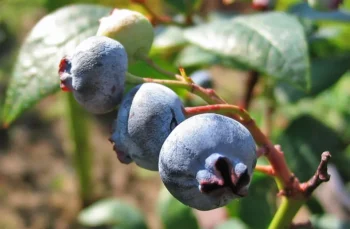
What sets black highbush blueberry apart is its multi-season interest. In spring, clusters of charming white to pinkish bell-shaped flowers create a delicate display that pollinators absolutely adore. Summer brings the formation of small, dark purple to black berries that are not only edible but provide important food for wildlife. Come fall, the foliage transforms into brilliant shades of orange and red, creating a stunning autumn show.
Perfect Spots for Planting
Black highbush blueberry shines in several garden settings:
- Woodland and naturalistic gardens where it can blend seamlessly with other native plants
- Rain gardens and wetland areas, thanks to its tolerance for moist conditions
- Acidic soil gardens alongside azaleas, rhododendrons, and other acid-loving plants
- Edible landscapes where you can enjoy both beauty and berries
- Wildlife gardens designed to support local ecosystems
Growing Conditions and Care
One of the best things about native plants like black highbush blueberry is their adaptability to local conditions. This shrub thrives in USDA hardiness zones 3-8, making it suitable for most temperate regions.
For optimal growth, provide:
- Acidic, well-draining soil with a pH between 4.5-5.5
- Consistent moisture – this plant appreciates regular watering
- Partial shade to full sun exposure
- Organic-rich soil that mimics its natural woodland habitat
The plant’s wetland status varies by region, but generally indicates it can handle both wet and moderately dry conditions, making it quite forgiving for home gardeners.
Planting and Maintenance Tips
Plant your black highbush blueberry in spring or fall for best establishment. Dig a hole twice as wide as the root ball and plant at the same depth it was growing in the container. Apply a 2-3 inch layer of organic mulch around the base to retain moisture and suppress weeds.
Maintenance is refreshingly minimal – just ensure consistent moisture during dry spells and refresh mulch annually. The shrub’s natural form rarely requires pruning, though you can remove any dead or damaged branches in late winter.
Supporting Local Wildlife
By choosing black highbush blueberry, you’re creating habitat and food sources for native wildlife. The spring flowers provide valuable nectar for native bees, butterflies, and other pollinators during a crucial time in their life cycles. The berries feed birds, small mammals, and yes – you too, if you can beat them to the harvest!
Why Choose Native?
Native plants like Vaccinium fuscatum have evolved alongside local wildlife and climate conditions for thousands of years. They require less water, fertilizer, and pest control than non-native alternatives while providing maximum ecological benefit. Plus, there’s something deeply satisfying about growing plants that truly belong in your local landscape.
Whether you’re creating a wildlife haven, adding low-maintenance beauty to your garden, or simply wanting to connect with your region’s natural heritage, black highbush blueberry offers an excellent choice that delivers on all fronts. Your local ecosystem – and your taste buds – will thank you.