Black Sagebrush: A Hardy Native Shrub for Western Gardens
If you’re looking for a tough, drought-tolerant native plant that thrives in challenging conditions, black sagebrush (Artemisia nova) might just be your new best friend. This unassuming little shrub packs a big punch when it comes to surviving in harsh, dry climates while providing subtle beauty to your landscape.
What is Black Sagebrush?
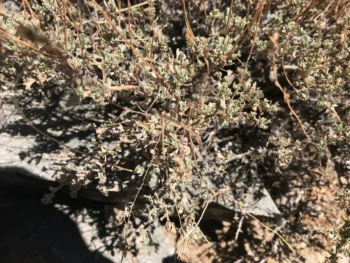
Black sagebrush is a native perennial shrub that calls the western United States home. Unlike its showier garden cousins, this plant is all about substance over flash. It typically grows to about 2 feet tall and wide, forming a compact, multi-stemmed woody plant with silvery-green foliage that adds a soft, textural element to any landscape.
This hardy native grows naturally across Arizona, California, Colorado, Idaho, Montana, Nevada, New Mexico, Oregon, Utah, and Wyoming, making it a true champion of the American West.
- Species observed
- No observations
Why Consider Black Sagebrush for Your Garden?
Black sagebrush is perfect for gardeners who want a low-maintenance, water-wise plant that supports local ecosystems. Here’s what makes it special:
- Extremely drought tolerant: Once established, this plant can survive on as little as 6-20 inches of annual precipitation
- Long-lived: With proper care, black sagebrush can grace your garden for many years
- Native plant benefits: Supports local wildlife and pollinators during its late summer bloom period
- Low maintenance: Requires minimal fertilization and care once established
- Cold hardy: Can tolerate temperatures down to -23°F, making it suitable for USDA zones 4-8
Where Does Black Sagebrush Shine?
This adaptable shrub works beautifully in several landscape settings:
- Xeriscapes and drought-tolerant gardens: Perfect for water-wise landscaping
- Native plant gardens: Authentic choice for recreating natural western ecosystems
- Rock gardens: Complements stone features with its soft, mounded form
- Naturalistic landscapes: Blends seamlessly into informal, meadow-like plantings
- Erosion control: Its moderate growth rate and spreading habit help stabilize soil
Growing Conditions: What Black Sagebrush Needs
Black sagebrush is refreshingly undemanding, but it does have some preferences:
- Sunlight: Full sun is essential – this plant is shade intolerant
- Soil: Adapts to coarse, medium, or fine-textured soils, as long as they drain well
- pH: Prefers alkaline conditions (pH 7.0-8.5)
- Water: Low water needs once established – overwatering is more harmful than drought
- Elevation: Thrives in areas requiring at least 90 frost-free days
Planting and Care Tips
Getting black sagebrush established in your garden is straightforward:
- Best planting time: Fall or early spring for best establishment
- Spacing: Plant 700-1800 plants per acre, or space individual plants 3-6 feet apart
- Initial care: Water regularly the first year to establish deep roots
- Ongoing maintenance: Once established, water sparingly and avoid fertilizing
- Pruning: Minimal pruning needed; can resprout if damaged
What to Expect
Black sagebrush grows at a moderate pace, reaching its mature height of about 2 feet in roughly 20 years. It blooms in late summer with small, inconspicuous brown flowers that may not win any beauty contests but provide valuable pollen for insects. The dense summer foliage becomes more open in winter, creating seasonal interest.
Is Black Sagebrush Right for Your Garden?
Choose black sagebrush if you:
- Live in the western United States within its native range
- Want a truly low-maintenance, drought-tolerant plant
- Appreciate subtle, naturalistic beauty over flashy flowers
- Are creating a native plant or xeriscape garden
- Need a plant that can handle alkaline soils and harsh conditions
However, this might not be the plant for you if you’re looking for showy flowers, prefer high-water gardens, or live outside its natural range where other native alternatives might be more appropriate.
Black sagebrush proves that sometimes the most unassuming plants make the biggest impact. With its impressive drought tolerance, native status, and low-maintenance nature, it’s an excellent choice for gardeners who want to work with nature rather than against it. Plus, you’ll be supporting local ecosystems while creating a landscape that truly belongs in your region.