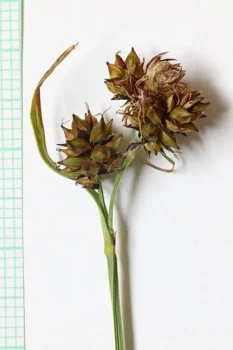
Black Sedge: A Hardy Native Grass for Western Gardens
If you’re looking for a tough, no-fuss native plant that can handle whatever Mother Nature throws at it, meet black sedge (Carex nova). This unassuming but resilient sedge might not win any beauty contests, but it’s the kind of reliable garden workhorse that’ll make you wonder why you ever bothered with high-maintenance ornamentals.
What Is Black Sedge?
Black sedge is a perennial grass-like plant that’s part of the sedge family (Cyperaceae). Don’t let the grass-like description fool you into thinking it’s just another boring lawn substitute – sedges are actually quite different from true grasses and bring their own unique character to the garden. You might also see this plant listed under its synonym, Carex elbertiana, in older gardening references.
This native beauty forms dense, tufted clumps with dark green to brownish-black foliage that gives the plant its common name. While it may not have the showiest flowers, its distinctive coloring and texture make it a valuable addition to naturalistic plantings.
Where Does Black Sedge Call Home?
Black sedge is a proud native of the western United States, naturally occurring across eight states: Colorado, Idaho, Montana, Nevada, New Mexico, Oregon, Utah, and Wyoming. This wide distribution tells us something important – this plant is adaptable and tough as nails.
- Species observed
- No observations
The fact that it thrives across such diverse western landscapes, from mountain meadows to high desert areas, makes it an excellent choice for gardeners in USDA hardiness zones 3 through 8.
Why Plant Black Sedge in Your Garden?
Here’s where black sedge really shines – it’s the definition of low-maintenance gardening. This sedge is perfect for:
- Native plant gardens that celebrate regional flora
- Rain gardens and areas with variable moisture
- Erosion control on slopes or problem areas
- Naturalistic landscapes that mimic local ecosystems
- Mountain or high-altitude gardens
- Areas where you want texture without the fuss
One of black sedge’s superpowers is its flexibility when it comes to water. Depending on your region, it can handle both wetland and non-wetland conditions. In the Arid West and Western Mountains regions, it’s classified as facultative, meaning it’s equally happy in wet or dry spots. In the Great Plains, it leans more toward wetland conditions but still tolerates drier sites.
Growing Black Sedge Successfully
The best part about growing black sedge? It practically grows itself. Here’s what you need to know:
Light and Soil Requirements
Black sedge is wonderfully adaptable when it comes to growing conditions. It thrives in full sun to partial shade and tolerates poor soils that would make other plants throw in the towel. While it prefers moist to wet soils, its facultative wetland status means it won’t sulk if things get a bit dry.
Planting Tips
Plant black sedge in spring or fall when temperatures are moderate. Space plants about 12-18 inches apart if you want them to eventually form a groundcover, or use them as specimen plants with wider spacing. Water regularly the first year while plants establish their root systems.
Care and Maintenance
Here’s the beauty of native plants – once established, black sedge requires minimal care. You can cut back old foliage in late winter or early spring if desired, but it’s not necessary for plant health. The clumps will slowly expand over time, and you can divide them every few years if you want to spread them around your garden or share with friends.
Wildlife and Ecosystem Benefits
While black sedge is wind-pollinated rather than insect-pollinated, it still provides valuable ecosystem services. Native sedges offer nesting material for birds, and their seeds can provide food for wildlife. The dense clumps also create microhabitats for beneficial insects and small creatures.
Is Black Sedge Right for Your Garden?
Black sedge is an excellent choice if you’re looking to create a low-maintenance, water-wise garden that celebrates native plants. It’s particularly valuable for gardeners in western states who want to work with their local ecosystem rather than against it.
Consider black sedge if you have challenging spots in your landscape – those areas that are sometimes wet, sometimes dry, or where other plants have struggled. This tough native will likely thrive where others have failed, all while requiring minimal input from you.
The only gardeners who might want to skip black sedge are those looking for showy flowers or dramatic foliage colors. This plant is all about subtle beauty and ecological function rather than flashy garden drama. But if you appreciate plants that do their job quietly and efficiently while supporting local wildlife, black sedge might just become your new favorite garden companion.