Black Vetch: A Hardy Native Climber for Natural Landscapes
If you’re looking for a low-maintenance native plant that can handle tough conditions while providing ecological benefits, black vetch (Vicia nigricans) might be just what your garden needs. This unassuming perennial herb belongs to the pea family and brings both beauty and function to naturalized landscapes across western North America.
What is Black Vetch?
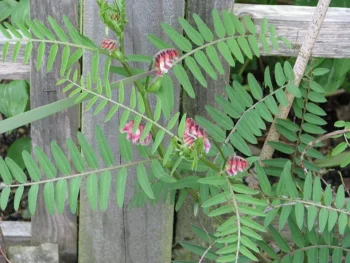
Black vetch is a perennial forb—essentially a non-woody flowering plant that comes back year after year. Unlike shrubs or trees, it lacks significant woody tissue and keeps its growing points at or below ground level during winter. This climbing or trailing plant uses delicate tendrils to scramble over other vegetation or spread along the ground as an effective ground cover.
The plant produces clusters of small, purple to dark purple pea-like flowers that add subtle color to the landscape. Its compound leaves consist of multiple leaflets, giving it a delicate, feathery appearance that contrasts nicely with broader-leaved companions.
Native Range and Distribution
Black vetch is truly a western North American native, naturally occurring across a vast range from Alaska down to California. You’ll find it thriving in British Columbia, Alaska, California, Oregon, and Washington. This broad distribution speaks to its adaptability and hardiness—qualities that make it an excellent choice for native plant gardens.
- Species observed
- No observations
Why Grow Black Vetch in Your Garden?
There are several compelling reasons to consider adding black vetch to your landscape:
- Erosion control: Its spreading habit and root system help stabilize slopes and prevent soil erosion
- Pollinator support: The flowers attract native bees, butterflies, and other beneficial insects
- Low maintenance: Once established, it requires minimal care and attention
- Drought tolerance: Perfect for water-wise gardening in dry climates
- Native habitat restoration: Helps recreate natural plant communities
Growing Conditions and Care
One of black vetch’s best qualities is its easy-going nature. This adaptable plant thrives in USDA hardiness zones 3-8, making it suitable for a wide range of climates from cold mountain areas to milder coastal regions.
Soil requirements: Black vetch isn’t picky about soil conditions. It tolerates poor soils and prefers well-draining sites. Interestingly, its wetland status varies by region—in Alaska, it’s considered an upland plant that rarely occurs in wetlands, while in western regions, it can occasionally tolerate wetter conditions.
Light needs: This versatile plant performs well in full sun to partial shade, adapting to whatever light conditions your garden provides.
Water requirements: Once established, black vetch is quite drought tolerant. Occasional deep watering during very dry spells will keep it happy, but it generally doesn’t need supplemental irrigation.
Best Garden Applications
Black vetch works wonderfully in several garden settings:
- Native plant gardens: Perfect for recreating natural western ecosystems
- Wildflower meadows: Adds texture and attracts pollinators among grasses and other wildflowers
- Slope stabilization: Excellent for preventing erosion on banks and hillsides
- Naturalized areas: Ideal for low-maintenance areas where you want native habitat
- Restoration projects: Helps reestablish native plant communities
Planting and Care Tips
Getting black vetch established in your garden is straightforward:
When to plant: Spring or fall are ideal planting times, allowing the plant to establish before extreme weather.
Spacing: Give plants room to spread—they’ll naturally fill in gaps over time.
Maintenance: Minimal care required once established. The plant may self-seed, gradually expanding its presence in suitable areas.
Companion plants: Pairs well with native grasses, other wildflowers, and shrubs in naturalized plantings.
Is Black Vetch Right for Your Garden?
Black vetch is an excellent choice if you’re looking for a hardy, native plant that requires minimal maintenance while providing ecological benefits. It’s particularly well-suited for gardeners interested in native plant landscaping, erosion control, or creating pollinator habitat.
However, if you prefer highly manicured, formal gardens, black vetch might not be the best fit. Its naturalized growth habit and tendency to spread make it better suited for informal, naturalistic landscapes where it can roam freely and express its wild character.
For western gardeners wanting to support native ecosystems while enjoying a beautiful, low-maintenance plant, black vetch offers an appealing combination of beauty, function, and ecological value that’s hard to beat.