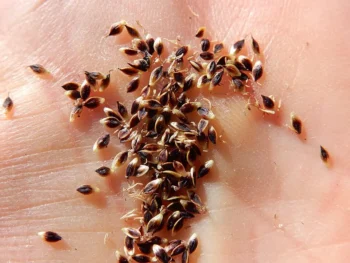
Blackandwhite Sedge: A Hardy Native for Mountain Gardens
If you’re looking for a tough, low-maintenance native plant that can handle challenging conditions, meet the blackandwhite sedge (Carex albonigra). This unassuming perennial sedge might not win any beauty contests, but it’s the kind of reliable workhorse that smart gardeners learn to appreciate – especially if you’re dealing with poor soils or harsh mountain climates.
What Makes Blackandwhite Sedge Special?
Carex albonigra gets its common name from the striking contrast of its dark-scaled flower spikes against lighter backgrounds. As a member of the sedge family, it’s technically a grass-like plant, though it’s more closely related to rushes than true grasses. This perennial forms small, neat clumps that stay put where you plant them – no aggressive spreading to worry about.
Where Does It Call Home?
This hardy sedge is a true native across much of western North America, naturally occurring from Alaska down to New Mexico. You’ll find it thriving in states including Alberta, British Columbia, Alaska, Arizona, Colorado, Idaho, Montana, Nevada, New Mexico, Utah, Washington, and Wyoming. It’s equally at home in the Yukon and Northwest Territories.
- Species observed
- No observations
The plant’s wide geographic range tells you something important: this is one adaptable sedge that can handle diverse conditions from mountainous terrain to prairie edges.
Garden Role and Landscape Uses
Blackandwhite sedge shines in naturalistic landscapes where you want that wild look without the maintenance headaches. It’s particularly valuable for:
- Rock gardens and alpine plantings
- Erosion control on slopes
- Ground cover in challenging spots
- Native plant gardens and restorations
- Low-water landscapes
While it won’t be the showstopper in your garden, it provides excellent texture and fills in spaces beautifully alongside more dramatic native plants.
Growing Conditions and Care
Here’s where blackandwhite sedge really proves its worth – it’s remarkably unfussy about growing conditions. This sedge typically thrives in USDA hardiness zones 3-7, making it suitable for areas with harsh winters.
The plant prefers well-drained soils and can handle everything from full sun to partial shade. According to its wetland status, it usually occurs in non-wetland areas but can tolerate some moisture, making it quite versatile for different garden situations.
Planting and Care Tips
Getting blackandwhite sedge established is refreshingly straightforward:
- Plant in spring or fall when temperatures are moderate
- Space plants 12-18 inches apart for ground cover effect
- Water regularly the first season to establish roots
- Once established, it’s quite drought tolerant
- Divide clumps every 3-4 years if desired, though it’s not necessary
- Little to no fertilization needed – it actually prefers lean soils
The low-maintenance nature of this sedge makes it perfect for gardeners who want native plants without constant fussing.
Wildlife and Environmental Benefits
As a wind-pollinated plant, blackandwhite sedge doesn’t offer nectar to pollinators, but it serves other important ecological functions. The seeds can provide food for various birds, and the clumping growth habit offers shelter for small wildlife. Plus, by choosing native plants like this sedge, you’re supporting local ecosystems and reducing the need for water and fertilizers.
Is Blackandwhite Sedge Right for Your Garden?
Consider planting blackandwhite sedge if you:
- Live in its native range and want to support local ecosystems
- Need a low-maintenance ground cover for difficult spots
- Are creating a naturalistic or native plant garden
- Want erosion control on slopes or banks
- Prefer plants that don’t need regular watering once established
While it may not have the flashy flowers of other natives, blackandwhite sedge offers something equally valuable: reliability, adaptability, and that satisfying feeling that comes from growing plants that truly belong in your landscape.