Blackcurly Lichen: The Hardy Arctic Survivor in Your Northern Landscape
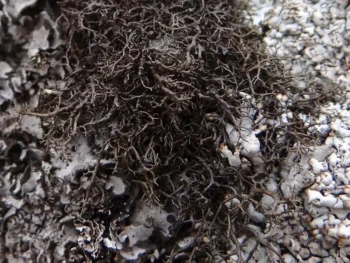
If you’ve ever wandered through the northern wilderness and noticed dark, curly hair-like growths clinging to rocks and tree bark, you’ve likely encountered the fascinating blackcurly lichen (Pseudephebe pubescens). This remarkable organism isn’t actually a plant at all – it’s a lichen, which makes it a truly unique addition to understanding your local ecosystem.
What Exactly Is Blackcurly Lichen?
Before we dive deeper, let’s clear up what we’re dealing with here. Blackcurly lichen is a composite organism made up of a fungus and an algae living together in perfect harmony. This partnership, called symbiosis, allows the lichen to thrive in some of the harshest environments on Earth. The fungus provides structure and protection, while the algae produces food through photosynthesis.
You might also see this species referred to by its scientific synonyms, including Alectoria pubescens, though Pseudephebe pubescens is the currently accepted name. This native North American species has been quietly doing its thing in northern landscapes for centuries.
Where You’ll Find This Arctic Marvel
Blackcurly lichen calls the boreal and arctic regions of North America home, thriving in the challenging conditions of northern Canada and Alaska. It’s perfectly adapted to extreme cold and can handle the kind of temperatures that would make most garden plants throw in the towel.
Spotting Blackcurly Lichen in the Wild
Here’s how to identify this distinctive lichen:
- Appearance: Dark brown to black, hair-like strands that form tangled, curly masses
- Texture: Feels somewhat brittle when dry, more flexible when moist
- Location: Growing on rocks, tree bark, and sometimes soil in exposed areas
- Size: Forms small tufts, typically a few inches across
- Habitat: Prefers areas with clean air and minimal pollution
Is Blackcurly Lichen Beneficial for Your Garden?
While you won’t be planting blackcurly lichen in your flower beds anytime soon, its presence in your local environment is actually a fantastic sign. Lichens are incredibly sensitive to air pollution, so finding them indicates that your area has relatively clean air. Think of them as nature’s air quality monitors!
In northern landscapes where this lichen naturally occurs, it serves several important ecological functions:
- Helps prevent soil erosion by stabilizing surfaces
- Contributes to soil formation over very long periods
- Provides food for some wildlife species in harsh northern environments
- Adds visual interest and biodiversity to rocky landscapes
The Truth About Growing Lichens
Here’s where things get interesting – you can’t really grow lichens the way you’d grow a tomato or rose bush. Lichens establish themselves naturally when conditions are just right, and blackcurly lichen is particularly picky about its environment. It needs:
- Extremely clean air (it’s very pollution-sensitive)
- Cool to cold temperatures year-round
- Adequate moisture from air humidity
- Suitable surfaces like rocks or tree bark
- Minimal disturbance
If you live in USDA hardiness zones 1-4 and have naturally occurring blackcurly lichen on your property, consider yourself lucky! The best thing you can do is simply leave it alone and appreciate it for what it is.
A Living Environmental Indicator
Perhaps the most remarkable thing about blackcurly lichen is its role as an environmental indicator. Its presence tells us that an ecosystem is healthy and relatively undisturbed. In our increasingly polluted world, these hardy little organisms serve as important reminders of what pristine nature looks like.
So while you might not be adding blackcurly lichen to your shopping list for the garden center, understanding and appreciating these remarkable organisms helps us better understand the complex web of life in northern ecosystems. Next time you’re in the great northern outdoors, take a moment to appreciate these curly-haired survivors – they’ve been perfecting the art of extreme living long before it was trendy!