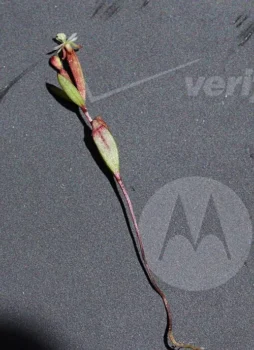
Blackfoot Groundsmoke: A Delicate Native Annual for Western Gardens
If you’re looking for a charming, low-maintenance native plant that adds delicate texture to your western garden, blackfoot groundsmoke (Gayophytum racemosum) might just be the perfect choice. This unassuming little annual packs a surprising punch in naturalistic plantings and wildflower gardens across much of western North America.
What is Blackfoot Groundsmoke?
Blackfoot groundsmoke is a native annual forb that belongs to the evening primrose family. Don’t let its modest appearance fool you – this herbaceous plant plays an important role in natural ecosystems and can bring that same wild beauty to your garden. As an annual, it completes its entire life cycle in one growing season, but it often self-seeds readily, creating naturalized colonies year after year.
Where Does It Grow Naturally?
This native gem calls much of western North America home, naturally occurring across an impressive range that includes Alberta and British Columbia in Canada, and stretching across numerous western states including Arizona, California, Colorado, Idaho, Montana, Nevada, Oregon, South Dakota, Utah, Washington, and Wyoming. Its wide distribution speaks to its adaptability and resilience.
- Species observed
- No observations
Why Grow Blackfoot Groundsmoke?
There are several compelling reasons to consider adding this native annual to your garden:
- Native plant benefits: As a true native, it supports local ecosystems and provides food for native wildlife
- Low maintenance: Once established, it requires minimal care and is quite drought tolerant
- Delicate beauty: Its small white to pinkish flowers and fine, branching stems create an airy, ethereal effect
- Pollinator support: The small flowers attract tiny native bees and other beneficial insects
- Versatile growing conditions: Thrives in both wetland and non-wetland environments
Garden Design and Landscape Use
Blackfoot groundsmoke works beautifully as a filler plant in wildflower meadows, native plant gardens, and xeriscapes. Its delicate, fine-textured appearance provides a lovely contrast to bolder, more substantial plants. Consider using it in:
- Rock gardens where its delicate form softens harsh edges
- Native plant borders as a naturalistic ground cover
- Wildflower meadows where it can self-seed and naturalize
- Transitional areas between cultivated and wild spaces
Growing Conditions and Care
One of the best things about blackfoot groundsmoke is its adaptability. This resilient native thrives in USDA hardiness zones 3-9, making it suitable for a wide range of climates across its native range.
Preferred conditions:
- Sunlight: Full sun to partial shade
- Soil: Well-draining soils, from dry to moderately moist
- Water: Drought tolerant once established, but can handle occasional moisture
- Soil type: Adaptable to various soil types
Planting and Establishment Tips
Getting blackfoot groundsmoke established in your garden is refreshingly straightforward:
- Seeding: Direct seed in fall or early spring when temperatures are cool
- Soil prep: Ensure good drainage – this plant doesn’t like soggy feet
- Spacing: Scatter seeds lightly and allow natural spacing to occur
- Watering: Keep soil slightly moist during germination, then reduce watering as plants establish
- Maintenance: Minimal care needed once established – just let it do its thing!
Wildlife and Ecosystem Benefits
While blackfoot groundsmoke might look delicate, it’s a valuable contributor to native ecosystems. Its small flowers provide nectar for tiny native pollinators, including small bees and beneficial insects that are often overlooked but play crucial roles in maintaining healthy garden ecosystems.
Is Blackfoot Groundsmoke Right for Your Garden?
This native annual is an excellent choice if you’re looking to create naturalistic plantings, support native wildlife, or add delicate texture to your garden without high maintenance requirements. It’s particularly well-suited for gardeners in western regions who want to work with plants that are naturally adapted to their local climate and conditions.
While it may not provide the bold color of showier annuals, blackfoot groundsmoke offers something perhaps more valuable – a connection to the natural heritage of western landscapes and a gentle way to support the small creatures that keep our ecosystems humming along.