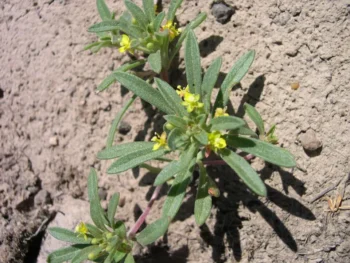
Blackfoot River Evening Primrose: A Charming Native Annual for Western Gardens
If you’re looking for a delicate wildflower that practically grows itself while supporting local ecosystems, meet the Blackfoot River evening primrose (Camissonia andina). This unassuming little native might just become your new favorite low-maintenance garden companion.
What Is Blackfoot River Evening Primrose?
Blackfoot River evening primrose is an annual forb—essentially a soft-stemmed herbaceous plant that completes its entire life cycle in one growing season. Don’t let its modest size fool you; this hardy native packs plenty of charm with its small yellow flowers that open in the evening hours.
You might also encounter this plant under its scientific name, Camissonia andina, or its various botanical synonyms including Oenothera andina. But whatever you call it, this little beauty has been quietly thriving across western North America for centuries.
Where Does It Naturally Grow?
This evening primrose is truly a western North American native, naturally occurring across an impressive range that spans from Canada down to California. You’ll find wild populations flourishing in Alberta, British Columbia, California, Colorado, Saskatchewan, Idaho, Montana, Nevada, Oregon, Utah, Washington, and Wyoming.
- Species observed
- No observations
Why Plant Blackfoot River Evening Primrose?
There are several compelling reasons to consider adding this native annual to your garden:
- True native status: Supporting local ecosystems by planting species that naturally belong in your region
- Low maintenance: Once established, it requires minimal care and thrives in challenging conditions
- Pollinator support: The evening-opening flowers attract moths and other nocturnal pollinators
- Drought tolerance: Perfect for water-wise gardening and xeriscaping
- Natural appearance: Adds authentic wildflower charm to naturalized areas
Garden Design and Landscape Uses
Blackfoot River evening primrose shines in several garden settings:
- Native plant gardens: A natural choice for authentic regional plantings
- Rock gardens: Thrives in well-draining, rocky conditions
- Xeriscapes: Excellent for low-water landscapes
- Naturalized meadows: Perfect for creating wild, informal areas
- Pollinator gardens: Provides nighttime nectar sources
Growing Conditions and Care
One of the best things about this native annual is how easy it is to please. Here’s what it needs to thrive:
Soil: Well-draining soils are essential. It’s classified as an Obligate Upland plant in most regions, meaning it almost never occurs in wetlands and prefers drier conditions.
Sunlight: Full sun exposure brings out the best in this evening primrose.
Water: Once established, it’s quite drought tolerant and actually prefers drier conditions over consistently moist soil.
Hardiness: Based on its natural distribution, it can handle USDA zones 3-9, making it suitable for a wide range of climates.
Planting and Care Tips
Getting started with Blackfoot River evening primrose is refreshingly simple:
- Timing: Since it’s an annual, direct seed in spring after the last frost
- Soil prep: Ensure excellent drainage—this plant doesn’t tolerate waterlogged conditions
- Watering: Water gently until established, then reduce watering significantly
- Maintenance: Minimal care needed; let it self-seed for natural colonies
- Harvesting seeds: Allow some plants to go to seed to ensure future generations
Supporting Pollinators and Wildlife
While this evening primrose may look unassuming during the day, it comes alive at dusk when its flowers open to welcome nocturnal visitors. Moths and other night-active pollinators depend on plants like this for nectar sources when most other flowers have closed for the night.
Is This Plant Right for Your Garden?
Blackfoot River evening primrose is an excellent choice if you:
- Live within its natural range in western North America
- Want to support native ecosystems and pollinators
- Prefer low-maintenance, drought-tolerant plants
- Enjoy naturalized, wildflower-style gardens
- Are creating a xeriscape or rock garden
However, it might not be the best fit if you’re looking for showy, all-day blooms or prefer plants that thrive in consistently moist conditions.
The Bottom Line
Blackfoot River evening primrose proves that native plants don’t have to be complicated to be wonderful. This charming annual offers authentic regional beauty, supports local pollinators, and asks for very little in return. For western gardeners seeking to create sustainable, low-maintenance landscapes that celebrate their local flora, this modest evening primrose deserves serious consideration.
Sometimes the most rewarding plants are the ones that simply belong—and this native evening primrose definitely belongs in western gardens.