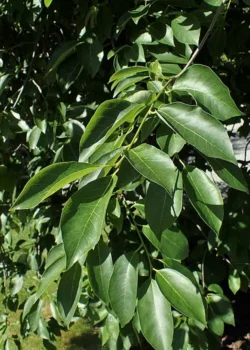
Blackgum: The Spectacular Fall Show-Stopper Your Garden Needs
If you’re looking for a native tree that delivers jaw-dropping fall color and supports local wildlife, let me introduce you to the blackgum (Nyssa sylvatica). This underappreciated gem might just become your new favorite landscape tree – and for good reason!
What is Blackgum?
Blackgum is a native North American tree that’s been quietly putting on spectacular shows in forests from Canada to Florida for centuries. Also known by its scientific name Nyssa sylvatica, this perennial tree is a true native success story. Unlike flashy non-native ornamentals, blackgum has evolved alongside our local ecosystems, making it a smart choice for environmentally conscious gardeners.
Where Does Blackgum Grow Naturally?
This adaptable tree has one of the most impressive native ranges you’ll find. Blackgum naturally grows across a huge swath of North America, including Alabama, Arkansas, Connecticut, Delaware, District of Columbia, Florida, Georgia, Illinois, Indiana, Kansas, Kentucky, Louisiana, Maine, Maryland, Massachusetts, Michigan, Mississippi, Missouri, New Hampshire, New Jersey, New York, North Carolina, Ohio, Oklahoma, Ontario, Pennsylvania, Rhode Island, South Carolina, Tennessee, Texas, Vermont, Virginia, West Virginia, and Wisconsin. That’s a lot of territory!
- Species observed
- No observations
Why Plant Blackgum in Your Garden?
Here’s where blackgum really shines – literally. This tree is famous for its absolutely stunning fall display, turning brilliant shades of scarlet, orange, and purple that will make your neighbors stop and stare. The fall color is so reliable and vibrant that it’s often considered one of the best native trees for autumn interest.
But the beauty doesn’t stop there. Blackgum has:
- Distinctive, blocky bark that adds winter interest
- Dense summer foliage that provides excellent shade
- A graceful, pyramidal shape when young that becomes more irregular with age
- Blue-black fruits that attract birds
- Green flowers in late spring that support pollinators
Garden Design and Landscape Role
Blackgum works beautifully as a specimen tree where you want to showcase that incredible fall color. It’s also excellent for:
- Woodland gardens and naturalized areas
- Rain gardens and areas with variable moisture
- Providing shade in larger landscapes
- Adding vertical structure to garden designs
With a moderate growth rate, blackgum reaches about 30 feet tall after 20 years and can eventually grow up to 95 feet at maturity, though most garden specimens stay smaller.
Growing Conditions and Care
One of blackgum’s best features is its adaptability. This tree has a facultative wetland status, meaning it’s equally happy in moist areas or well-drained sites. Here’s what blackgum prefers:
- Soil: Acidic soils (pH 4.5-6.0) with coarse to medium texture
- Moisture: Medium moisture needs – tolerates both wet and moderately dry conditions
- Light: Shade tolerant, but grows best with some sun
- Hardiness: Cold hardy to about -18°F, suitable for USDA zones 4-9
- Space: Needs room to spread – plant 400-800 trees per acre if mass planting
Planting and Care Tips
Blackgum is generally low-maintenance once established, but here are some tips for success:
- Transplant when young: Blackgum develops a deep taproot, so plant small specimens for best establishment
- Be patient: Seeds need cold stratification and have slow germination rates
- Choose your spot carefully: This tree doesn’t like to be moved once established
- Water during establishment: Keep soil consistently moist the first few years
- Mulch well: A 2-3 inch layer of organic mulch helps retain moisture
You can find blackgum at many nurseries, as it’s routinely available in the trade. It can be propagated by seed, cuttings, bare root, or container plants.
Wildlife and Pollinator Benefits
While blackgum isn’t a wildlife powerhouse like some native plants, it still provides valuable ecosystem services. The small green flowers in late spring offer nectar for bees and other pollinators, even though they’re not particularly showy. The blue-black fruits feed various birds, and the tree provides nesting sites and cover.
According to wildlife studies, blackgum provides about 2-5% of the diet for large animals, small mammals, water birds, and terrestrial birds – not huge numbers, but every bit helps in supporting local ecosystems.
Is Blackgum Right for Your Garden?
Blackgum is perfect for gardeners who want:
- Spectacular, reliable fall color
- A truly native tree with local ecological connections
- Low-maintenance landscaping
- A tree that works in various moisture conditions
- Year-round landscape interest
However, skip blackgum if you:
- Have alkaline soils (it really needs acidic conditions)
- Want fast results (moderate growth rate means patience required)
- Need a tree you can easily relocate later
- Have very limited space (it gets quite large)
The Bottom Line
Blackgum might not be the most popular tree at the garden center, but it should be on every native plant enthusiast’s wish list. With its stunning fall display, adaptable nature, and ecological benefits, this native beauty proves that sometimes the best choices are the ones that have been quietly thriving in our landscapes for centuries. Give blackgum a try – your garden (and local wildlife) will thank you!