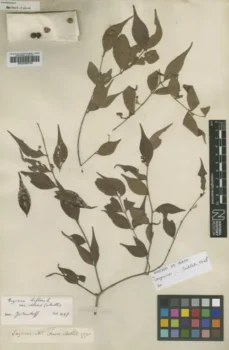
Blackrodwood: A Hidden Gem for Tropical Gardens
If you’re looking for a native shrub that combines beauty with resilience in tropical climates, blackrodwood (Eugenia biflora) might just be the perfect addition to your garden. This charming Caribbean native brings year-round interest with its glossy evergreen foliage, delicate white flowers, and attractive dark berries.
Meet the Blackrodwood
Blackrodwood goes by the botanical name Eugenia biflora, and you might occasionally see it listed under its synonym Eugenia lancea. This perennial shrub is a true native of the Caribbean, specifically calling Puerto Rico and the U.S. Virgin Islands home. As a multi-stemmed woody plant, it typically grows to a manageable size of 4-5 meters (13-16 feet) in height, though it can sometimes reach taller heights or develop a more single-stemmed form depending on growing conditions.
Where Does Blackrodwood Grow?
This delightful shrub is native to Puerto Rico and the Virgin Islands, where it has adapted beautifully to the tropical Caribbean climate. If you live in these areas, you’re getting the chance to grow a plant that truly belongs in your landscape!
- Species observed
- No observations
Why Choose Blackrodwood for Your Garden?
There are several compelling reasons to consider blackrodwood for your tropical garden:
- Native beauty: As a true native, it supports local ecosystems while requiring less maintenance than exotic alternatives
- Year-round appeal: Its glossy evergreen leaves provide constant structure and color
- Pollinator magnet: The small white flowers attract bees and butterflies, supporting local wildlife
- Coastal tolerance: This tough plant can handle salt spray, making it perfect for seaside gardens
- Versatile size: Works well as a specimen plant, in groupings, or even as an informal hedge
Growing Conditions and Care
Blackrodwood is refreshingly easy to grow if you live in the right climate. This tropical native thrives in USDA hardiness zones 10-11, so it’s really only suitable for truly warm, frost-free areas.
Here’s what your blackrodwood needs to flourish:
- Light: Full sun to partial shade – it’s quite adaptable
- Soil: Well-draining soil is key; it doesn’t like to sit in water
- Water: Regular watering during establishment, then it becomes quite drought tolerant
- Location: Perfect for coastal areas due to its salt tolerance
Planting and Care Tips
Getting your blackrodwood established is straightforward with these simple tips:
- Plant during the warmer months when the plant can establish quickly
- Water regularly for the first few months until roots are well-established
- Minimal pruning needed – just remove any dead or damaged branches
- Once established, it’s quite low-maintenance and drought tolerant
- Watch for the charming white flowers that appear periodically throughout the year
Garden Design Ideas
Blackrodwood works beautifully in tropical and subtropical landscape designs. Consider using it as a focal point in a native plant garden, or plant several together to create a natural privacy screen. Its compact size makes it perfect for smaller spaces, and its salt tolerance means it’s ideal for coastal properties where many other plants struggle.
The dark berries that follow the flowers add another layer of visual interest and provide food for local birds, making this shrub a wonderful choice for wildlife-friendly gardens.
The Bottom Line
If you live in Puerto Rico or the U.S. Virgin Islands, blackrodwood offers you the chance to grow a beautiful native plant that’s perfectly adapted to your local conditions. It’s low-maintenance, supports local wildlife, and brings year-round beauty to your garden. While it’s limited to tropical zones, for those lucky enough to live in the right climate, this native gem is definitely worth considering for your landscape.