Blackroot Sedge: A Hardy Native for Challenging Garden Spots
Looking for a tough, low-maintenance native plant that can handle whatever Mother Nature throws at it? Meet blackroot sedge (Carex elynoides), a resilient little workhorse that’s been quietly thriving in the American West’s most challenging environments for millennia. This unassuming perennial sedge might just be the perfect solution for those tricky spots in your garden where other plants fear to tread.
What Makes Blackroot Sedge Special?
Blackroot sedge is a native grass-like perennial that belongs to the sedge family (Cyperaceae). Don’t let its modest appearance fool you – this tough little plant has earned its stripes surviving in some of the harshest conditions imaginable. As a true native to the lower 48 states, it’s perfectly adapted to work harmoniously with local ecosystems and wildlife.
You’ll find blackroot sedge growing naturally across eight western states: Arizona, Colorado, Idaho, Montana, Nevada, New Mexico, Utah, and Wyoming. It’s particularly at home in high-elevation environments where many other plants struggle to survive.
- Species observed
- No observations
Why Your Garden Will Love Blackroot Sedge
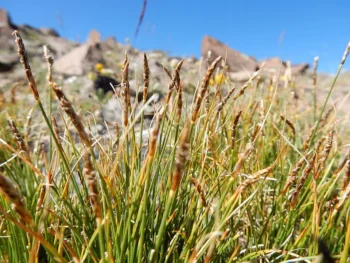
This hardy sedge forms neat, densely tufted clumps of fine, dark green foliage that adds texture and natural beauty to any landscape. Here’s what makes it a gardener’s dream:
- Extremely drought-tolerant once established
- Thrives in poor soils where other plants struggle
- Requires virtually no maintenance
- Perfect for challenging garden spots
- Adds authentic native character to landscapes
Where Does Blackroot Sedge Shine?
This versatile sedge is a natural fit for several garden styles and situations:
- Rock gardens: Its compact size and drought tolerance make it ideal for tucking between stones
- Alpine gardens: Perfectly suited for high-elevation garden themes
- Xeriscape designs: A water-wise choice for sustainable landscaping
- Naturalized areas: Helps create authentic native plant communities
- Ground cover: Forms attractive low-maintenance carpets in difficult areas
Growing Conditions and Care
One of blackroot sedge’s greatest assets is its adaptability. This plant has what gardeners call facultative wetland status, meaning it’s equally happy in both wet and dry conditions – though it truly excels in well-drained situations.
Ideal growing conditions:
- Full sun to partial shade
- Well-drained soils (essential for long-term health)
- Hardy in USDA zones 3-7
- Tolerates poor, rocky, or sandy soils
- Drought-tolerant once established
Planting and Care Tips
The beauty of blackroot sedge lies in its simplicity. Here’s how to set it up for success:
- Plant in well-draining soil: This is crucial – soggy conditions can lead to problems
- Water during establishment: Give new plants regular water for the first season, then back off
- Avoid overwatering: Once established, this plant prefers to stay on the dry side
- Minimal fertilization: Native plants typically don’t need heavy feeding
- Leave seed heads: They provide winter interest and wildlife benefits
Wildlife and Ecosystem Benefits
While blackroot sedge is wind-pollinated rather than insect-pollinated, it still plays an important role in native ecosystems. The plant provides habitat and potential nesting material for small wildlife, and its seeds may serve as food for birds and small mammals in its native range.
Is Blackroot Sedge Right for Your Garden?
Consider blackroot sedge if you’re looking for:
- A truly low-maintenance native plant
- Something tough enough for difficult growing conditions
- Natural-looking ground cover or accent plant
- A plant that supports local ecosystems
- Water-wise landscaping options
This resilient native sedge proves that sometimes the most unassuming plants make the biggest impact. While it may not have the flashy flowers of some garden favorites, blackroot sedge offers something equally valuable: reliability, authenticity, and the quiet satisfaction of growing a plant that truly belongs in the American landscape.