Bladdermallow: A Charming Native Wildflower for Low-Maintenance Gardens
If you’re looking for a delightful little wildflower that asks for almost nothing but gives back plenty of charm, let me introduce you to bladdermallow (Herissantia crispa). This unassuming native gem might not win any beauty contests against flashy garden showstoppers, but it has a quiet appeal that grows on you—quite literally, since it tends to self-seed with enthusiasm!
What Exactly Is Bladdermallow?
Bladdermallow is a native forb (that’s garden-speak for a non-woody flowering plant) that can behave as either an annual or perennial depending on your climate. Don’t let the bladder part of the name put you off—it refers to the inflated seed pods, not anything unsavory! You might also see this plant listed under its former scientific names like Abutilon crispum, but Herissantia crispa is the current accepted name.
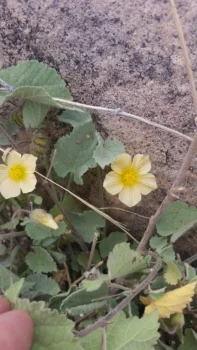
What makes this little plant special are its heart-shaped, crinkled leaves that look like they’ve been gently crimped, and its small hibiscus-like flowers that range from pale yellow to soft orange. It’s a member of the mallow family, which explains those characteristic five-petaled blooms.
Where Does Bladdermallow Call Home?
This adaptable native is right at home across much of the southern United States, including Arizona, California, Florida, New Mexico, and Texas. It’s also native to Puerto Rico and the U.S. Virgin Islands. In Hawaii, it’s considered an introduced species that has naturalized, meaning it arrived from elsewhere but has made itself quite comfortable.
- Species observed
- No observations
Why You Might Want Bladdermallow in Your Garden
Here’s where bladdermallow really shines: it’s practically foolproof. This plant thrives in USDA zones 8-11 and asks for very little once it’s settled in. Here are some compelling reasons to give it a try:
- Drought tolerance: Once established, it laughs in the face of dry spells
- Pollinator magnet: Bees and butterflies adore those small but numerous flowers
- Self-seeding: Plant it once, enjoy it for years as it naturally spreads
- Low maintenance: Perfect for gardeners who want beauty without the fuss
- Native appeal: Supports local ecosystems while adding natural charm
Perfect Garden Roles
Bladdermallow isn’t a specimen plant that demands center stage, but it’s an excellent supporting actor. It works beautifully in:
- Wildflower meadows and naturalized areas
- Xeriscape and desert-style gardens
- Rock gardens where its delicate texture provides contrast
- Ground cover in sunny, dry spots where other plants struggle
- Pollinator gardens as a reliable nectar source
Growing Bladdermallow Successfully
The beauty of bladdermallow lies in its simplicity. This plant evolved to thrive in challenging conditions, so your main job is to not overthink it!
Site Selection
Choose a spot with full sun to partial shade and well-draining soil. Bladdermallow actually prefers sandy or rocky soils over rich, amended garden beds—it’s one of those tough love plants that performs better when not pampered.
Planting Tips
The easiest way to establish bladdermallow is through direct seeding in fall or spring. Scatter seeds over prepared soil and lightly rake them in. You can also start with transplants, but since this plant has a taproot, it prefers to grow where it’s planted rather than being moved around.
Care and Maintenance
Here’s the best part—there’s almost no maintenance required! Water occasionally during the first growing season to help establishment, then step back and let nature take over. In cooler zones, it may behave as an annual, but it typically self-seeds so reliably you’ll have new plants each year.
A Few Things to Consider
While bladdermallow is generally well-behaved, its enthusiastic self-seeding means it can pop up in unexpected places. If you prefer a more controlled garden, you might want to deadhead spent flowers before they set seed. However, many gardeners appreciate this natural spreading habit as it creates lovely drifts of flowers over time.
In areas where it’s not native (like Hawaii), consider whether you want to introduce a non-native species, even a well-behaved one. There are usually wonderful native alternatives specific to your region that might be even better choices for supporting local wildlife.
The Bottom Line
Bladdermallow might not be the flashiest flower in the garden catalog, but it’s a reliable, drought-tolerant native that brings quiet beauty and pollinator benefits to low-maintenance landscapes. If you’re working with challenging, dry conditions or simply want a plant that takes care of itself while supporting local wildlife, this charming little mallow might be exactly what you’re looking for.
Sometimes the best garden additions are the ones that ask for the least but give back the most—and bladdermallow definitely fits that bill!