Bladderpod Spiderflower: A Desert Beauty for Water-Wise Gardens
If you’re looking for a show-stopping native plant that laughs in the face of drought while attracting pollinators, meet the bladderpod spiderflower (Cleome isomeris). This remarkable desert native proves that water-wise gardening doesn’t mean sacrificing beauty – it just means choosing plants that know how to thrive in tough conditions.
What Makes Bladderpod Spiderflower Special
The bladderpod spiderflower is a true southwestern native, naturally occurring in Arizona and California. As a perennial shrub, this hardy plant can live for many years once established, making it an excellent investment for your landscape. The plant typically grows as a multi-stemmed woody shrub, usually staying under 13-16 feet tall, though most garden specimens remain much smaller.
You might also see this plant listed under its former scientific names, including Isomeris arborea and its various subspecies. Don’t let the name changes confuse you – it’s the same wonderful plant, just with updated botanical classification.
Geographic Distribution and Natural Habitat
Bladderpod spiderflower calls the deserts of Arizona and California home, where it has adapted to extreme heat, minimal rainfall, and challenging soil conditions. This native range gives you a big clue about what this plant needs to thrive in your garden.
- Species observed
- No observations
Garden Appeal: More Than Just Drought Tolerance
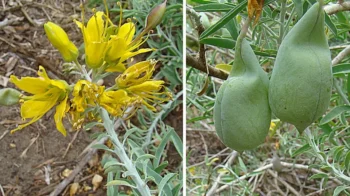
What sets bladderpod spiderflower apart from other desert plants is its striking floral display. The plant produces clusters of bright yellow, four-petaled flowers that create a cheerful splash of color against the often muted tones of drought-tolerant landscapes. But the real show-stopper comes after flowering – the plant develops inflated, balloon-like seed pods that give it the bladderpod part of its name.
The gray-green foliage provides year-round structure and interest, while the unusual seed pods add architectural appeal that lasts well into the fall and winter months.
Perfect for These Garden Styles
- Desert and xeriscape gardens
- Mediterranean-style landscapes
- Rock gardens and succulent displays
- Native plant gardens
- Low-maintenance landscapes
- Pollinator gardens in arid regions
Pollinator and Wildlife Benefits
Don’t let the desert origins fool you – bladderpod spiderflower is a pollinator magnet. The nectar-rich yellow flowers attract bees, butterflies, and other beneficial insects, making this plant a valuable addition to any pollinator-friendly landscape. The timing of its bloom period provides crucial nectar sources when many other plants are struggling with heat and drought.
Growing Conditions and Care
The secret to success with bladderpod spiderflower is thinking like a desert plant. This shrub thrives in USDA hardiness zones 9-11, which covers most of the southwestern United States and similar climates.
Ideal Growing Conditions
- Sunlight: Full sun is essential – this plant loves intense, direct sunlight
- Soil: Well-draining soil is absolutely critical; sandy or gravelly soils are perfect
- Water: Extremely drought tolerant once established; overwatering is more dangerous than underwatering
- Climate: Thrives in hot, dry conditions with low humidity
Planting and Care Tips
Getting Started: Plant bladderpod spiderflower in fall or early spring to give it time to establish before extreme heat arrives. Choose a location with excellent drainage – if water pools after rain, find a different spot or amend the soil with gravel or sand.
Watering: Water regularly the first year while the plant establishes its deep root system. After that, natural rainfall should be sufficient in most areas, with occasional deep watering during extended dry periods.
Maintenance: This is truly a low-maintenance plant. Light pruning after flowering can help maintain shape and encourage bushier growth. Remove spent flowers if you don’t want the decorative seed pods, but most gardeners prefer to leave them for the added interest.
Potential Challenges: The biggest threat to bladderpod spiderflower is too much water and poor drainage, which can lead to root rot. In areas with high humidity or frequent summer rains, ensure exceptional drainage or consider growing it in a raised bed or container.
Why Choose Bladderpod Spiderflower
If you live in an arid climate and want a native plant that offers year-round interest, supports local wildlife, and requires minimal care once established, bladderpod spiderflower deserves a spot in your garden. It’s particularly valuable for gardeners looking to reduce water usage while maintaining an attractive landscape.
This plant proves that native doesn’t mean boring – with its cheerful flowers, unique seed pods, and important ecological benefits, bladderpod spiderflower brings both beauty and purpose to water-wise gardens across the Southwest.