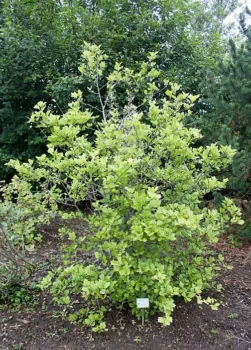
Blanchard’s Hawthorn: A Hardy Native Shrub for Wildlife-Friendly Gardens
If you’re looking for a tough-as-nails native shrub that wildlife absolutely adores, let me introduce you to Blanchard’s hawthorn (Crataegus irrasa). This unassuming beauty might not win any flashy flower contests, but it’s the kind of dependable garden companion that keeps on giving year after year.
What Makes Blanchard’s Hawthorn Special?
Blanchard’s hawthorn is a true North American native, calling the Great Lakes region and northeastern parts of the continent home. You’ll find this hardy perennial shrub growing naturally across Ontario, Quebec, Michigan, Minnesota, New York, Ohio, Vermont, and Wisconsin. It’s perfectly adapted to the sometimes harsh conditions of these regions, making it an excellent choice for gardeners who want plants that can handle whatever Mother Nature throws their way.
- Species observed
- No observations
This multi-stemmed woody shrub typically stays under 13-16 feet tall, though it can occasionally stretch taller in ideal conditions. Don’t let its modest size fool you – this plant packs a punch when it comes to wildlife value and garden utility.
Why Your Garden (and Local Wildlife) Will Love It
Here’s where Blanchard’s hawthorn really shines. In spring, clusters of small white flowers appear, creating a buzzing hub of activity as bees, butterflies, and other pollinators flock to feast. Come fall, the plant produces small red to dark red fruits called haws that birds absolutely go crazy for. It’s like setting up a seasonal buffet right in your backyard!
The thorny branches might seem like a drawback, but they’re actually a feature – providing excellent nesting sites and protection for small birds. Plus, those thorns make it a natural choice for creating wildlife-friendly barriers or hedgerows.
Perfect Spots for Planting
Blanchard’s hawthorn is incredibly versatile when it comes to garden roles. Here are some great ways to use it:
- Native plant gardens where you want authentic regional flora
- Wildlife gardens focused on supporting local ecosystems
- Naturalistic landscapes that mimic wild settings
- Erosion control on slopes or challenging terrain
- Informal hedgerows or property borders
Growing Conditions That Make It Happy
One of the best things about this hawthorn is how easygoing it is. It thrives in USDA hardiness zones 3-7, handling both frigid winters and warm summers with grace. Give it full sun to partial shade – it’s not picky. As for soil, it’s adaptable to various types, though it appreciates good drainage.
Once established, Blanchard’s hawthorn becomes quite drought tolerant, making it perfect for low-maintenance landscapes. This is definitely a plant it and forget it kind of shrub, which is music to the ears of busy gardeners.
Planting and Care Made Simple
Getting your Blanchard’s hawthorn off to a good start is straightforward:
- Plant in spring or fall when temperatures are moderate
- Water regularly the first year to help establish roots
- After that, minimal care is needed – just occasional watering during extended dry spells
- If pruning is needed, do it in late winter while the plant is dormant
- Be prepared for those thorns when handling – gloves are your friend!
The Bottom Line
Blanchard’s hawthorn might not be the showiest plant in your garden, but it’s definitely one of the hardest working. If you’re passionate about supporting native wildlife, want a low-maintenance shrub that can handle tough conditions, or simply love the idea of growing something that’s perfectly adapted to your region, this hawthorn deserves a spot in your landscape.
It’s the kind of plant that connects your garden to the larger ecosystem, creating a little haven for pollinators and birds while asking very little in return. Sometimes the best garden choices are the ones that work quietly behind the scenes, and Blanchard’s hawthorn does exactly that – beautifully.