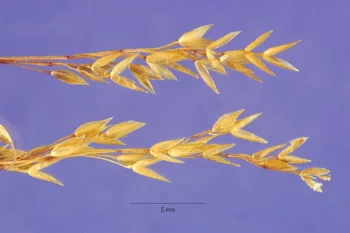
Blasdale Bentgrass: A Rare California Native Worth Protecting
If you’re passionate about native plants and conservation, you may have heard whispers about Blasdale bentgrass (Agrostis blasdalei). This little-known perennial grass holds a special place in California’s botanical heritage, but it comes with some important considerations for home gardeners.
What Makes Blasdale Bentgrass Special?
Blasdale bentgrass is a fine-textured perennial grass that’s as rare as it is interesting. As a member of the graminoid family, it shares characteristics with other grasses, sedges, and rushes, but this particular species has a story that sets it apart from your typical lawn grass.
This California endemic has earned itself some scientific synonyms over the years, including Agrostis blasdalei var. marinensis and has sometimes been confused with Agrostis breviculmis. But make no mistake – this is a distinct and precious species.
Where Does It Call Home?
Blasdale bentgrass is exclusively native to California, making it a true Golden State original. Its distribution is quite limited within the state, which brings us to an important point about its conservation status.
- Species observed
- No observations
The Rarity Factor: Why This Matters
Here’s where things get serious, fellow plant lovers. Blasdale bentgrass carries a Global Conservation Status of S2, which translates to Imperiled. This means the species is extremely rare and vulnerable, with typically only 6 to 20 known occurrences and possibly just 1,000 to 3,000 individual plants remaining in the wild.
What does this mean for gardeners? If you’re considering growing Blasdale bentgrass, you absolutely must source it responsibly. Never collect from wild populations, and only purchase from reputable native plant nurseries that propagate their stock ethically.
Should You Grow Blasdale Bentgrass?
This is where it gets tricky. While supporting rare native species through cultivation can be beneficial for conservation, Blasdale bentgrass isn’t exactly your typical garden grass. Its specialized habitat requirements and limited availability make it more suitable for:
- Dedicated native plant conservationists
- Botanical gardens and research institutions
- Restoration projects in appropriate habitats
- Advanced native plant gardeners with specific coastal conditions
Growing Conditions and Care
Unfortunately, detailed cultivation information for Blasdale bentgrass is quite limited due to its rarity. Based on its California coastal distribution, it likely prefers:
- USDA hardiness zones 9-10
- Coastal climate conditions
- Specific soil and moisture requirements typical of its native habitat
- Protection from competition with more aggressive species
If you’re determined to grow this species, connecting with local native plant societies or botanical experts in California would be your best bet for specific growing advice.
Wildlife and Ecological Benefits
As a native grass, Blasdale bentgrass likely plays a role in its local ecosystem, though specific wildlife relationships aren’t well-documented. Like most native grasses, it probably provides habitat structure and may support specialized insects adapted to its particular niche.
Consider These Alternatives
If you’re drawn to native California grasses but want something more garden-friendly, consider these more common alternatives:
- Purple needlegrass (Stipa pulchra) – California’s state grass
- Pacific bentgrass (Agrostis pallens) – a related species
- California fescue (Festuca californica)
- Deergrass (Muhlenbergia rigens)
The Bottom Line
Blasdale bentgrass represents the fascinating diversity of California’s native flora, but it’s not a plant for every gardener. Its rarity status means it deserves our respect and protection rather than casual cultivation. If you’re passionate about rare plant conservation and have the right conditions, growing this species with responsibly sourced material could contribute to its preservation. For most gardeners, however, choosing more common native grasses will better serve both your garden and conservation goals.
Remember, every rare plant species tells a story about our natural heritage. Whether or not Blasdale bentgrass finds a place in your garden, knowing about its existence helps us appreciate the intricate web of biodiversity that makes California’s landscapes so remarkable.