Blood Currant: A Native Gem for Pacific Coast Gardens
If you’re looking for a native shrub that delivers both beauty and wildlife value with minimal fuss, let me introduce you to the blood currant (Ribes sanguineum var. glutinosum). This delightful member of the gooseberry family is a true Pacific Coast native that deserves a spot in more gardens.
What Makes Blood Currant Special
Blood currant is a perennial shrub that typically grows as a multi-stemmed woody plant, usually reaching heights of 4-5 meters (13-16 feet) at maturity. What sets this variety apart is its somewhat sticky or glutinous stems and leaves, which give it its scientific name glutinosum.
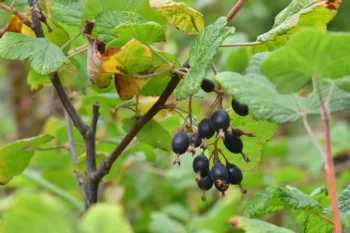
This native beauty puts on quite a show in early spring, producing drooping clusters of tubular flowers in shades of pink to deep red before its leaves fully emerge. These eye-catching blooms are followed by small, dark blue-black berries that wildlife absolutely love.
Where Blood Currant Calls Home
Blood currant is native to the lower 48 states, specifically thriving in California and Oregon along the Pacific Coast. If you’re gardening in these regions, you’re working with a plant that’s perfectly adapted to your local conditions.
- Species observed
- No observations
Why Your Garden (and Local Wildlife) Will Love It
Here’s where blood currant really shines as a garden plant:
- Hummingbird magnet: Those tubular flowers are practically designed for hummingbird beaks
- Bee and butterfly friendly: The early blooms provide crucial nectar when few other plants are flowering
- Bird buffet: The berries feed a variety of native birds
- Drought tolerant: Once established, it handles dry conditions like a champ
- Low maintenance: Perfect for gardeners who want beauty without constant fussing
Perfect Garden Settings
Blood currant fits beautifully into several garden styles:
- Native plant gardens where it can mingle with other Pacific Coast natives
- Mediterranean-style landscapes that embrace drought-tolerant plants
- Woodland gardens where it can provide natural-looking screening
- Wildlife gardens designed to support local ecosystems
Growing Blood Currant Successfully
Hardiness: Blood currant thrives in USDA zones 6-9, making it suitable for most Pacific Coast gardening conditions.
Light and Soil: This adaptable shrub performs well in partial shade to full sun and isn’t particularly picky about soil type, as long as it drains well. It’s naturally adapted to the Mediterranean climate of its native range.
Planting Tips:
- Plant in fall or early spring for best establishment
- Give it room to spread – mature plants can be quite substantial
- Water regularly the first year to help establish deep roots
- Once established, supplemental watering is rarely needed
Care and Maintenance:
- Minimal pruning required – just remove dead or damaged branches
- No fertilizer needed in most soils
- Watch for the occasional aphid, but problems are rare
- The plant may go somewhat dormant during hot, dry summers – this is normal
A Few Things to Keep in Mind
Blood currant is generally trouble-free, but here are a few considerations:
- It can get quite large, so plan accordingly
- The berries can stain paths or patios if planted overhead
- Like many native plants, it may look dormant or scraggly during extreme drought – this is its survival strategy
The Bottom Line
Blood currant (Ribes sanguineum var. glutinosum) is one of those wonderful native plants that gives you maximum return for minimal investment. You’ll get gorgeous early spring flowers, summer berries, happy hummingbirds, and the satisfaction of supporting your local ecosystem – all while barely lifting a finger once it’s established.
If you’re gardening in California or Oregon and want to add a reliable, beautiful, and ecologically valuable shrub to your landscape, blood currant deserves serious consideration. Your garden and the local wildlife will thank you for it.