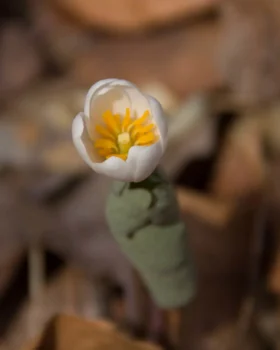
Bloodroot: The Perfect Spring Ephemeral for Your Woodland Garden
If you’re looking for a native plant that delivers serious spring drama before disappearing like a botanical Houdini, bloodroot (Sanguinaria canadensis) might just be your perfect match. This charming woodland wildflower is one of nature’s most reliable early risers, popping up with pristine white blooms when most of the garden world is still hitting the snooze button.
What Makes Bloodroot Special
Bloodroot is a true native treasure, naturally occurring throughout eastern North America from southeastern Canada all the way down to northern Florida, and stretching west to Manitoba, Kansas, and Oklahoma. As a perennial forb, it’s perfectly adapted to woodland conditions and has been quietly doing its thing in North American forests for millennia.
This plant grows throughout an impressive range of states and provinces, including Alabama, Manitoba, New Brunswick, Arkansas, Nova Scotia, Ontario, Connecticut, Quebec, Delaware, District of Columbia, Florida, Georgia, Illinois, Indiana, Iowa, Kansas, Kentucky, Louisiana, Maine, Maryland, Massachusetts, Michigan, Minnesota, Mississippi, Missouri, Nebraska, New Hampshire, New Jersey, New York, North Carolina, North Dakota, Ohio, Oklahoma, Pennsylvania, Rhode Island, South Carolina, South Dakota, Tennessee, Texas, Vermont, Virginia, West Virginia, and Wisconsin.
- Species observed
- No observations
The Bloodroot Experience: Beauty and the Beast
Here’s where bloodroot gets interesting (and slightly dramatic). The plant gets its common name from its bright red-orange sap that bleeds from cut roots—hence bloodroot. But don’t let that intimidate you! This sap was historically used by Native Americans as a dye and for medicinal purposes, though it’s worth noting that all parts of the plant are toxic if ingested.
The real show happens in early spring when bloodroot produces stunning white flowers with 8-10 delicate petals. These blooms emerge before the leaves, creating a magical carpet of white in woodland settings. The flowers are followed by distinctive lobed leaves that unfold like umbrellas, providing attractive foliage through late spring before the plant goes dormant for the summer.
Why Your Garden Needs Bloodroot
Early Pollinator Power
Bloodroot is an MVP for early pollinators. When native bees, flies, and other beneficial insects are desperately seeking nectar after a long winter, bloodroot delivers. Those early spring blooms can be literal lifesavers for pollinators when little else is available.
Perfect for Shade Gardens
If you’re dealing with that tricky partial to full shade area under trees, bloodroot thrives where many other plants struggle. It’s naturally adapted to woodland conditions and actually prefers the dappled light filtering through tree canopies.
Low Maintenance Native
Once established, bloodroot is remarkably self-sufficient. It spreads slowly via underground rhizomes, creating natural colonies over time. No fussing, no coddling—just reliable spring beauty year after year.
Growing Bloodroot Successfully
Location and Conditions
Bloodroot thrives in USDA hardiness zones 3-8, making it suitable for most temperate North American gardens. Here’s what it needs to flourish:
- Partial to full shade (morning sun is fine, but avoid harsh afternoon sun)
- Moist but well-drained soil—think woodland floor conditions
- Rich, organic soil with plenty of leaf mold or compost
- Consistent spring moisture, but summer dormancy tolerance
Planting Tips
Fall is the best time to plant bloodroot rhizomes. Plant them about 1-2 inches deep in rich, humusy soil. Space them 6-12 inches apart if you’re creating a colony effect. The plants will naturally spread over time, so don’t worry about perfect spacing.
Care and Maintenance
Bloodroot is refreshingly low-maintenance once established:
- Water regularly during spring growth and flowering
- Allow soil to dry somewhat after leaves die back in summer
- Apply a layer of organic mulch to mimic forest floor conditions
- Divide clumps every 3-5 years if desired, but only when dormant
- Leave the foliage alone until it naturally yellows and dies back
Perfect Garden Partners
Bloodroot plays beautifully with other spring ephemerals and woodland natives. Consider pairing it with trout lily, wild ginger, mayapple, or wild columbine for a true native woodland experience. Later-emerging ferns and hostas can fill the space after bloodroot goes dormant.
One Important Note
Bloodroot’s wetland status varies by region—it’s typically an obligate upland plant (meaning it almost never occurs in wetlands) in most areas, though it can be facultative upland in the Midwest and Northeast regions. Stick to well-drained woodland conditions for best results.
The Bottom Line
If you want to add authentic native character to your shade garden while supporting early pollinators, bloodroot deserves a spot on your must-have list. Yes, it disappears by midsummer, but that’s part of its charm—it’s the garden equivalent of a perfect spring fling. Plant it once, and you’ll have decades of reliable early spring magic to look forward to.
Just remember to source your plants from reputable native plant nurseries, and never dig plants from the wild. Your local woodland ecosystem (and your garden) will thank you for choosing this remarkable native beauty.