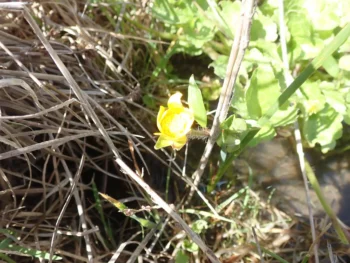
Bloomer’s Buttercup: A Rare Pacific Coast Native Worth Preserving
Meet Bloomer’s buttercup (Ranunculus orthorhynchus var. bloomeri), a charming perennial wildflower that calls the Pacific Coast home. This lesser-known variety of buttercup might not be the showiest plant in your garden, but it carries special significance as a native species that deserves our attention and conservation efforts.
What Makes Bloomer’s Buttercup Special?
As a native forb—that’s garden-speak for a soft-stemmed flowering plant—Bloomer’s buttercup represents the authentic botanical heritage of California and Oregon. Unlike its woody cousins (trees and shrubs), this perennial dies back to the ground each year but returns faithfully season after season, making it a reliable addition to native plant communities.
You might also see this plant referenced by its scientific synonym, Ranunculus bloomeri S. Watson, in older botanical references or seed catalogs.
Where Does It Grow?
This buttercup variety is naturally found along the Pacific Coast, with populations documented in California and Oregon. It’s perfectly adapted to the unique climate and soil conditions of this region, making it an excellent choice for gardeners wanting to support their local ecosystem.
- Species observed
- No observations
A Word of Caution: Rarity Matters
Here’s something important to know before you start planning your garden: Bloomer’s buttercup has a conservation status that suggests it may be uncommon in parts of its range. If you’re interested in growing this native beauty, it’s crucial to source your plants or seeds responsibly. This means:
- Purchase from reputable native plant nurseries
- Never collect plants or seeds from wild populations
- Look for nursery-propagated specimens rather than wild-collected ones
- Consider joining local native plant societies to learn about ethical sourcing
Garden Design and Landscape Use
Bloomer’s buttercup fits beautifully into native plant gardens, naturalized meadow settings, and restoration projects. As a forb, it provides textural contrast to grasses and adds seasonal interest with its flowers. Consider it for:
- Native plant gardens focused on regional flora
- Meadow and prairie-style landscapes
- Habitat restoration projects
- Areas where you want to support local wildlife
Supporting Local Wildlife
While specific data on Bloomer’s buttercup isn’t readily available, buttercups in general serve important ecological functions. Native plants like this one have co-evolved with local insects, birds, and other wildlife over thousands of years, creating intricate relationships that support biodiversity in ways that non-native plants simply cannot match.
Growing Conditions and Care
As a Pacific Coast native, Bloomer’s buttercup is likely adapted to the region’s Mediterranean climate patterns—wet winters and dry summers. While specific growing requirements for this variety aren’t well-documented, successful cultivation probably involves:
- Providing conditions similar to its native habitat
- Ensuring good drainage to prevent root rot
- Allowing for natural dormancy periods
- Minimal summer watering once established
The Bottom Line
Should you plant Bloomer’s buttercup? If you’re gardening in its native range and can source it responsibly, absolutely! This native perennial offers you a chance to connect your landscape with the natural heritage of the Pacific Coast while supporting local ecosystems. Just remember that with rarity comes responsibility—always choose nursery-grown plants and never collect from wild populations.
By choosing natives like Bloomer’s buttercup, you’re not just adding another plant to your garden—you’re participating in conservation and helping preserve the unique botanical character of your region for future generations.