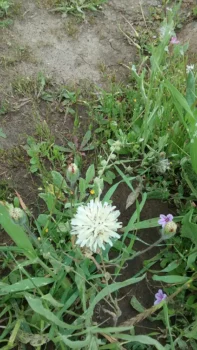
Blow Wives: A Charming Native Annual for Western Gardens
If you’re looking for a delightful native wildflower that brings soft texture and cheerful blooms to your garden, meet blow wives (Achyrachaena mollis). This charming annual might not be the showiest plant in your landscape, but it offers plenty of understated beauty and ecological benefits that make it worth considering for the right garden setting.
What Are Blow Wives?
Blow wives are annual forbs native to California and Oregon. As a forb, this plant lacks woody tissue and maintains soft, herbaceous growth throughout its single growing season. The common name blow wives likely refers to the plant’s fluffy seed heads that disperse easily in the wind, much like dandelion seeds dancing on a breeze.
This native species grows naturally in the lower 48 states, specifically thriving in California and Oregon’s diverse landscapes. You’ll find blow wives growing wild in grasslands, open woodlands, and disturbed soils throughout their native range.
- Species observed
- No observations
Why Grow Blow Wives in Your Garden?
While blow wives may seem humble compared to flashier natives, they offer several compelling reasons to include them in your landscape:
- True Native Heritage: Supporting local ecosystems by growing plants that naturally belong in your region
- Pollinator Magnet: The small yellow composite flowers attract native bees, butterflies, and other beneficial insects
- Low Maintenance: Once established, these drought-tolerant plants require minimal care
- Natural Reseeding: As annuals, they’ll return year after year if allowed to set seed
- Soft Texture: The hairy foliage adds interesting texture contrast to garden beds
Garden Design and Landscape Use
Blow wives work best in naturalized settings rather than formal garden beds. Consider incorporating them into:
- Wildflower meadows and prairie gardens
- Native plant landscapes
- Xeriscaping projects
- Restoration plantings
- Informal cottage garden edges
These plants shine when allowed to mingle with other native grasses and wildflowers, creating the kind of relaxed, natural look that feels authentically wild.
Growing Conditions and Care
Blow wives are remarkably adaptable, which explains their success in diverse California and Oregon habitats. Here’s what they prefer:
- Sun Exposure: Full sun for best flowering
- Soil: Well-draining soil; tolerates poor and disturbed soils
- Water: Drought tolerant once established; facultative wetland status means they can handle some moisture too
- USDA Zones: Hardy in zones 8-10, matching their native California and Oregon range
Planting and Care Tips
Growing blow wives successfully is refreshingly straightforward:
- Timing: Direct sow seeds in fall or early spring
- Seeding: Scatter seeds over prepared soil and lightly rake in
- Watering: Keep soil lightly moist until germination, then reduce watering
- Maintenance: Minimal care needed; allow plants to set seed for next year’s crop
- Harvesting Seeds: Collect seeds when fluffy seed heads begin to disperse naturally
Wildlife and Ecological Benefits
Beyond their garden appeal, blow wives serve important ecological functions. Their flowers provide nectar and pollen for native pollinators during their blooming period. The seeds may also provide food for small birds and other wildlife, though specific wildlife benefits aren’t extensively documented.
As a native species, blow wives support local food webs and contribute to regional biodiversity in ways that non-native ornamentals simply cannot match.
Is Blow Wives Right for Your Garden?
Blow wives work best for gardeners who appreciate subtle beauty and want to support native ecosystems. They’re perfect if you’re creating naturalized areas, establishing wildflower meadows, or simply want low-maintenance plants that return reliably each year.
However, they might not be the best choice if you prefer formal garden designs or need plants with extended blooming periods and dramatic visual impact. Their charm lies in their understated nature and ecological value rather than showy garden performance.
For Western gardeners in California and Oregon, blow wives represent an opportunity to grow something truly local – a plant that has called your region home for countless generations. Sometimes the most rewarding garden plants are the ones that whisper rather than shout, and blow wives definitely fall into that delightfully quiet category.