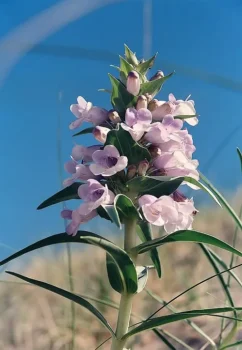
Blowout Beardtongue: A Rare Prairie Gem Worth Protecting
Meet the blowout beardtongue (Penstemon haydenii), one of North America’s most specialized and endangered wildflowers. This remarkable little plant has carved out a very specific niche in the world, and its story is both fascinating and concerning for native plant enthusiasts.
What Makes Blowout Beardtongue Special
Blowout beardtongue is a perennial forb—essentially a non-woody flowering plant that comes back year after year. Despite its humble appearance, growing just 6-18 inches tall, this plant is a true survivor, adapted to one of the harshest environments on the Great Plains.
The plant produces striking tubular purple-blue flowers from late spring to early summer, creating a beautiful contrast against sandy soils. Its compact size and drought tolerance make it an intriguing candidate for specialized gardens, but there’s an important catch we need to discuss.
A Very Limited Range
This native wildflower has an extremely restricted range, found only in Nebraska and Wyoming. More specifically, it’s endemic to the Nebraska Sandhills region, where it grows in the sandy blowout areas of active sand dunes—hence its common name.
- Species observed
- No observations
The Conservation Concern
Here’s where things get serious: blowout beardtongue is listed as Endangered in the United States, with a Global Conservation Status of S1S2. This means the plant faces a very high risk of extinction, making it one of our continent’s most imperiled wildflowers.
If you’re considering growing this plant, please only use responsibly sourced material from reputable native plant nurseries or conservation organizations. Never collect seeds or plants from wild populations, as this could further threaten the species’ survival.
Growing Conditions and Care
Blowout beardtongue is extremely particular about its growing conditions, which partly explains its rarity:
- Soil: Sandy, extremely well-drained soil that mimics its native blowout habitat
- Sun: Full sun exposure
- Water: Drought tolerant once established; actually prefers dry conditions
- Climate: Hardy in USDA zones 4-7
- Special needs: Requires excellent drainage and low fertility soils
Garden Applications
While challenging to grow, blowout beardtongue can work in very specific garden settings:
- Sand gardens or specialized xeriscaping projects
- Rock gardens with sandy amendments
- Native plant conservation collections
- Educational demonstration gardens
This isn’t a plant for typical garden beds or landscapes—it requires conditions that closely mimic its natural habitat to thrive.
Pollinator and Wildlife Benefits
Despite its specialized nature, blowout beardtongue is valuable to pollinators. Its tubular flowers attract native bees, butterflies, and even hummingbirds. The plant plays an important ecological role in its native ecosystem, supporting specialized insects adapted to the Sandhills environment.
Should You Grow Blowout Beardtongue?
This is a plant that most gardeners should probably admire from afar. Its extreme habitat requirements make it nearly impossible to grow successfully in typical garden settings. However, if you:
- Have sandy, well-drained soil similar to its native habitat
- Are creating a specialized native plant conservation garden
- Can source plants or seeds through legitimate conservation programs
- Want to contribute to conservation efforts
Then growing blowout beardtongue could be a worthwhile challenge that also supports conservation.
The Bottom Line
Blowout beardtongue represents both the beauty and fragility of our native plant heritage. While it’s not a practical choice for most gardens, it serves as an important reminder of the specialized plants that call North America home—and why protecting their habitats is so crucial.
If you’re inspired by this plant but looking for easier alternatives, consider other native penstemons suited to your region. Many offer similar tubular flowers and pollinator benefits while being much more adaptable to garden conditions.