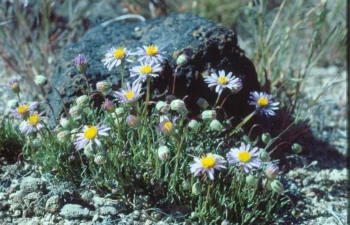
Blue Dwarf Fleabane: A Charming Native Ground Cover for Western Gardens
If you’re looking for a delightful native plant that packs a lot of charm into a small package, blue dwarf fleabane might just be your new garden favorite. This unassuming little perennial brings both beauty and ecological value to western landscapes, proving that sometimes the best things really do come in small packages.
Meet Blue Dwarf Fleabane
Blue dwarf fleabane (Erigeron elegantulus) is a native perennial forb that belongs to the sunflower family. Don’t let the name fleabane put you off – this plant has nothing to do with fleas and everything to do with providing lovely blooms and supporting local wildlife. The plant is also known by its botanical synonym, Erigeron linearis var. elegantulus, though most gardeners will simply call it blue dwarf fleabane.
As a forb, this plant lacks the woody stems of shrubs and trees, instead producing herbaceous growth that dies back seasonally while the root system persists year after year.
Where Blue Dwarf Fleabane Calls Home
This charming native is perfectly at home in the western United States, specifically thriving in California and Oregon. Its natural range includes coastal areas and mountain regions where it has adapted to the unique climate and soil conditions of the Pacific Coast.
- Species observed
- No observations
Why You’ll Love This Little Beauty
Blue dwarf fleabane may be small, but it certainly knows how to make an impression. Here’s what makes this native plant so special:
- Delicate daisy-like flowers: Small blooms with white to pale blue petals surrounding cheerful yellow centers
- Compact growth habit: Perfect for tucking into rock gardens or using as ground cover
- Pollinator magnet: Native bees, butterflies, and other beneficial insects love the nectar-rich flowers
- Low maintenance: Once established, it’s quite drought tolerant and requires minimal care
- Native credentials: Supporting local ecosystems by choosing plants that belong in your region
Perfect Garden Situations
Blue dwarf fleabane shines in several garden settings:
- Rock gardens: Its compact size and drought tolerance make it ideal for rocky, well-draining spots
- Native plant gardens: A natural choice for gardeners focused on regional flora
- Drought-tolerant landscapes: Perfect for water-wise gardening in western climates
- Naturalized areas: Excellent for creating that wild meadow look
- Ground cover: Can spread to form attractive carpets of foliage and flowers
Growing Conditions That Make It Happy
One of the best things about blue dwarf fleabane is how easygoing it can be once you understand its preferences:
- Sunlight: Thrives in full sun to partial shade
- Soil: Well-draining soil is essential – it won’t tolerate soggy conditions
- Water: Drought tolerant once established, though it appreciates occasional deep watering
- Climate: Hardy in USDA zones 6-9, making it suitable for most western growing areas
Planting and Care Tips
Getting blue dwarf fleabane established in your garden is refreshingly straightforward:
- Planting time: Spring or fall are ideal planting seasons
- Soil preparation: Ensure excellent drainage – consider adding coarse sand or gravel to heavy soils
- Spacing: Allow adequate space between plants for air circulation
- Initial watering: Water regularly the first season to help establish roots
- Ongoing care: Once established, water deeply but infrequently
- Fertilizing: Usually unnecessary – these natives are adapted to lean soils
Supporting Local Wildlife
By choosing blue dwarf fleabane, you’re not just adding beauty to your garden – you’re creating habitat for local wildlife. The flowers provide nectar for native bees, butterflies, and other pollinators that have co-evolved with this plant. This makes it an excellent choice for gardeners interested in supporting biodiversity and creating pollinator-friendly spaces.
Is Blue Dwarf Fleabane Right for Your Garden?
If you live in California or Oregon and want a low-maintenance native plant that offers both beauty and ecological benefits, blue dwarf fleabane deserves serious consideration. It’s particularly well-suited for gardeners who appreciate subtle beauty over flashy displays and those working with challenging conditions like poor drainage or limited water availability.
This delightful native proves that you don’t need exotic plants to create a stunning garden. Sometimes the most rewarding plants are the ones that have been quietly thriving in your region for thousands of years, just waiting for you to discover their charms.