Blue Giant Hyssop: A Fragrant Native Gem for Your Garden
If you’re looking for a plant that smells like licorice, attracts every pollinator in the neighborhood, and practically grows itself, let me introduce you to blue giant hyssop (Agastache foeniculum). This delightful native perennial might just become your new garden obsession – and trust me, that’s a good thing!
What Makes Blue Giant Hyssop Special?
Blue giant hyssop goes by the botanical name Agastache foeniculum, though you might also see it listed under its synonym Agastache anethiodora. This hardy perennial herb is a true North American native, naturally occurring across a vast range from Canada down through much of the northern United States.
As a member of the mint family, this plant brings that characteristic square stem and aromatic foliage that makes it instantly recognizable. But unlike some of its more aggressive mint cousins, blue giant hyssop is much better behaved in the garden – no need to worry about it taking over your entire yard!
Where Does It Naturally Grow?
Blue giant hyssop has an impressive native range, naturally growing across numerous states and provinces including Alberta, British Columbia, Manitoba, Ontario, Quebec, Saskatchewan, and the Northwest Territories in Canada. In the United States, you’ll find it native to Colorado, Connecticut, Delaware, Illinois, Iowa, Kentucky, Michigan, Minnesota, Montana, Nebraska, New Hampshire, New Jersey, New York, North Dakota, Pennsylvania, South Dakota, Washington, Wisconsin, and Wyoming.
- Species observed
- No observations
Why You’ll Love Growing Blue Giant Hyssop
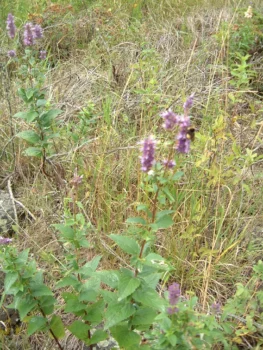
There are so many reasons to fall in love with this plant! First, let’s talk about those gorgeous flower spikes. From mid to late summer, blue giant hyssop produces tall, dense spikes of tiny purple-blue flowers that create a stunning vertical element in any garden design. The blooms have an almost bottlebrush-like appearance that adds wonderful texture to your landscape.
But the real magic happens when you brush against the foliage – the leaves release an incredible anise or fennel-like fragrance that’s both refreshing and distinctive. Some gardeners describe it as smelling like root beer or black licorice. Whether you love it or find it intriguing, it’s definitely memorable!
A Pollinator Paradise
If you’re trying to create a pollinator-friendly garden, blue giant hyssop is absolutely essential. This plant is like a magnet for:
- Native bees of all sizes
- Butterflies, especially monarchs and swallowtails
- Hummingbirds who can’t resist those tubular flowers
- Beneficial insects that help keep garden pests in check
The long blooming period means you’re providing a consistent nectar source throughout the crucial late summer months when many other flowers are starting to fade.
Perfect for These Garden Styles
Blue giant hyssop is incredibly versatile and works beautifully in several garden types:
- Prairie and meadow gardens where it can naturalize
- Pollinator gardens as a reliable nectar source
- Herb gardens for its aromatic and potentially culinary uses
- Cottage gardens where its informal charm fits right in
- Native plant gardens as an authentic local species
- Rain gardens and naturalized areas
Growing Conditions and Care
Here’s where blue giant hyssop really shines – it’s remarkably easy to grow! This adaptable perennial thrives in USDA hardiness zones 3 through 8, making it suitable for most North American gardens.
Sunlight: Blue giant hyssop prefers full sun but will tolerate partial shade. More sun generally means more flowers and stronger fragrance.
Soil: This plant is quite forgiving when it comes to soil, but it performs best in well-drained conditions. It actually prefers slightly alkaline to neutral pH levels, though it will adapt to most garden soils. Avoid consistently wet or waterlogged areas.
Water: Once established, blue giant hyssop is quite drought tolerant – a trait that makes it perfect for low-maintenance gardens. Water regularly during the first growing season, then you can largely let nature take over.
Planting and Maintenance Tips
Getting blue giant hyssop established in your garden is straightforward:
- Start from seed in spring, either direct sown or started indoors 6-8 weeks before last frost
- Seeds need light to germinate, so barely cover them with soil
- Space plants about 12-18 inches apart
- Young plants may need some water during dry spells, but mature plants are quite drought tolerant
Ongoing care: This is where blue giant hyssop really earns its keep as a low-maintenance plant. Deadhead spent flowers to encourage continued blooming, though you might want to leave some flowers to go to seed – both for wildlife and because this plant self-sows beautifully for next year’s garden.
In colder climates, you can cut the plants back in late fall or early spring. In milder areas, the structure can provide winter interest and seed for birds.
Size and Growth Habits
Blue giant hyssop typically grows 2-4 feet tall with a spread of 1-2 feet, forming nice upright clumps that won’t sprawl or become invasive. As a true perennial, it will return year after year, often self-seeding to create natural colonies over time.
The Bottom Line
Blue giant hyssop checks all the boxes for a fantastic garden plant: it’s native, low-maintenance, beautiful, fragrant, and incredibly beneficial for wildlife. Whether you’re a seasoned gardener or just starting out, this forgiving perennial will reward you with years of purple-blue blooms and the satisfaction of knowing you’re supporting local ecosystems.
Plus, there’s something deeply satisfying about growing a plant that was thriving in North American prairies long before any of us arrived on the scene. It’s like welcoming a little piece of natural history into your backyard – and trust me, both you and your local pollinators will be glad you did!