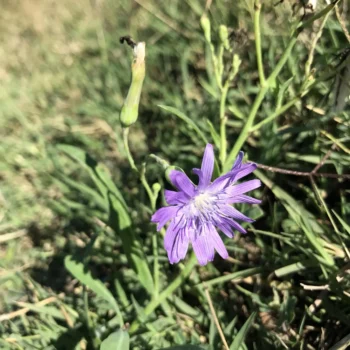
Blue Lettuce: A Native Wildflower That’s Equal Parts Beautiful and Bold
If you’re looking for a native wildflower that’s not afraid to make a statement in your garden, meet blue lettuce (Lactuca tatarica). This striking North American native might just be the perfect addition to your wildflower garden – or it might be more plant than you bargained for. Let’s dive into what makes this fascinating forb tick.
What Exactly Is Blue Lettuce?
Blue lettuce is a biennial or perennial forb, which is just a fancy way of saying it’s a non-woody flowering plant that lives for two or more years. Don’t let the name fool you – this isn’t something you’d want to toss in your salad! The lettuce part comes from its family relationship to garden lettuce, but blue lettuce is all about the flowers, not the leaves.
As a true North American native, blue lettuce has made itself at home across an impressive range. You’ll find this adaptable plant thriving from Alaska down to Louisiana and from coast to coast, including most Canadian provinces and U.S. states.
- Species observed
- No observations
The Good, The Beautiful, and The Slightly Overwhelming
Let’s start with the gorgeous part: blue lettuce produces stunning blue to purple flowers that bloom on tall stems, often reaching 3 to 6 feet in height. These cheerful blooms are absolute magnets for pollinators, attracting bees, butterflies, and other beneficial insects to your garden throughout the growing season.
The plant’s facultative wetland status means it’s incredibly adaptable – it can handle both wet and dry conditions in most regions, though it prefers staying high and dry in the Great Plains where it’s classified as an obligate upland species.
But here’s where things get interesting (and potentially challenging): blue lettuce is enthusiastic about spreading. This plant produces seeds that disperse readily, and it’s not shy about colonizing new areas. While this makes it fantastic for naturalizing large spaces or prairie restorations, it might be more aggressive than you want in a tidy perennial border.
Where Blue Lettuce Shines
Blue lettuce is perfect for:
- Wildflower meadows and prairie gardens
- Large naturalized areas where spreading is welcome
- Pollinator gardens (the bees will thank you!)
- Low-maintenance landscapes
- Areas where you want seasonal height and color
Growing Blue Lettuce Successfully
One of blue lettuce’s best qualities is how easy it is to grow. Hardy in USDA zones 2-8, this plant is remarkably unfussy about its growing conditions.
Light and Soil: Blue lettuce adapts to full sun or partial shade and isn’t particularly picky about soil type. It’s quite drought tolerant once established, making it a great choice for low-water gardens.
Planting: You can start blue lettuce from seed either in fall or early spring. The seeds need light to germinate, so just barely cover them or scatter them on the soil surface.
Maintenance: Here’s where you’ll want to pay attention. If you love the look but want to control the spread, deadhead spent flowers before they set seed. If you’re happy to let it naturalize, just sit back and enjoy the show!
Managing the Enthusiasm
Blue lettuce’s biggest flaw is also one of its strengths – it’s really good at reproducing. In the right conditions, it can self-seed extensively. This isn’t necessarily a bad thing if you have the space and want a naturalized look, but it’s something to consider.
If you’re working with a smaller garden or prefer more control, consider growing blue lettuce in a designated wildflower area or using it as a temporary filler that you can edit as needed.
The Bottom Line
Blue lettuce is a fantastic choice for gardeners who want to support native ecosystems and don’t mind a plant with some personality. Its beautiful flowers, pollinator appeal, and easy-going nature make it a winner for the right situation. Just make sure you’re ready for its enthusiastic approach to garden life!
If you’re drawn to the idea of blue lettuce but want something a bit more contained, consider pairing it with other native wildflowers that can hold their own, or look into other native Lactuca species that might be better suited to your specific region and garden style.