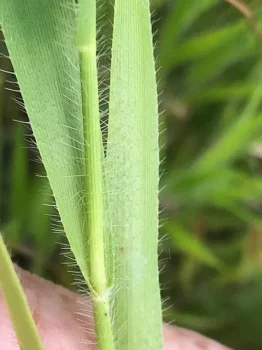
Blue Maidencane: A Unique Native Grass for Specialized Wetland Gardens
Meet blue maidencane (Amphicarpum purshii), one of nature’s more fascinating native grasses with a quirky botanical secret that makes it stand out from the crowd. While it might not win any beauty contests in the traditional sense, this humble grass has earned its place in the hearts of native plant enthusiasts and wetland gardeners who appreciate plants with interesting stories to tell.
What Makes Blue Maidencane Special?
Blue maidencane is a native grass that calls the eastern United States home, and it has developed one of the most unusual reproductive strategies in the plant world. This clever grass produces two completely different types of seeds – some above ground like most plants, and others below ground! This dual approach to seed production, called amphicarpy, gives the plant its scientific name and makes it a fascinating addition to educational gardens.
As both an annual and perennial (yes, it can be both!), blue maidencane adapts its life cycle based on growing conditions, making it remarkably resilient in its preferred wetland habitats.
Where Does Blue Maidencane Grow Naturally?
This native grass has quite an impressive range along the Eastern Seaboard. You’ll find blue maidencane growing naturally in Delaware, Florida, Georgia, Maryland, Massachusetts, New Jersey, New York, North Carolina, South Carolina, and Virginia. It’s particularly fond of the Atlantic and Gulf Coastal Plain regions, where it thrives in the wet, acidic soils of bogs, marshes, and seasonal wetlands.
- Species observed
- No observations
Should You Plant Blue Maidencane in Your Garden?
Here’s where we need to be honest – blue maidencane isn’t for everyone or every garden. This is definitely a plant for gardeners with specific goals and growing conditions in mind.
You might want to consider blue maidencane if you have:
- A wetland garden or bog area that stays consistently moist
- Interest in native plant restoration projects
- An educational garden where you want to showcase unique plant adaptations
- A rain garden that collects and holds water
- Acidic, wet soils that challenge other plants
Blue maidencane probably isn’t right for you if you want:
- A showy ornamental grass for typical landscaping
- Something that thrives in average garden soil
- A low-maintenance grass for dry areas
- Dramatic visual impact or colorful foliage
Growing Conditions and Care
Blue maidencane is quite particular about its growing conditions, which limits where it can be successfully cultivated:
Soil Requirements: This grass demands consistently moist to wet, acidic soils. Think bog conditions rather than typical garden soil.
Light Needs: Full sun to partial shade works well, though it tends to be more robust in sunny locations.
Hardiness: Suitable for USDA zones 6-10, matching its natural range along the eastern coast.
Water Requirements: High – this is not a drought-tolerant plant. It needs consistent moisture and can handle periodic flooding.
Planting and Maintenance Tips
Growing blue maidencane successfully requires recreating its natural wetland habitat:
- Start from seed when possible, as this grass can be difficult to find in nurseries
- Prepare planting areas with organic matter to maintain acidity and moisture retention
- Ensure consistent water access – consider drip irrigation if natural moisture isn’t sufficient
- Be patient – establishment can take time as the plant adapts to your specific conditions
- Minimal fertilization needed; too much nutrition can actually harm wetland plants
Wildlife and Ecological Benefits
While blue maidencane may not attract butterflies like showy wildflowers, it plays important ecological roles. The seeds provide food for various bird species, and the plant helps stabilize wet soil areas. As a native species, it supports the complex web of insects and microorganisms that have evolved alongside it over thousands of years.
The Bottom Line on Blue Maidencane
Blue maidencane is definitely a specialist plant for specialized gardens. If you’re creating a native wetland garden, working on habitat restoration, or simply fascinated by plants with unique adaptations, this grass could be a wonderful addition. However, if you’re looking for easy-care ornamental grasses for typical landscaping, you’ll probably want to explore other native options that are more adaptable to average garden conditions.
For the right gardener in the right situation, blue maidencane offers the satisfaction of growing a truly unique native plant that showcases one of nature’s most interesting reproductive strategies. Just remember – success with this grass means embracing its love for wet feet and specialized growing conditions!