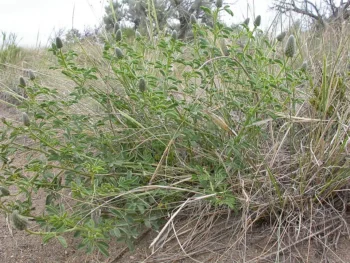
Blue Mountain Prairie Clover: A Hidden Gem for Western Native Gardens
If you’re looking for a drought-tolerant native wildflower that’s as tough as it is beautiful, Blue Mountain prairie clover (Dalea ornata) might be exactly what your garden needs. This lesser-known member of the legume family brings delicate purple-blue blooms and serious staying power to western landscapes.
What is Blue Mountain Prairie Clover?
Blue Mountain prairie clover is a perennial forb—basically a non-woody flowering plant that comes back year after year. Unlike shrubs or trees, this plant keeps its growing points at or below ground level, making it incredibly resilient to harsh conditions. You might also see it listed under its old scientific name, Petalostemon ornatus, but don’t let the name changes fool you—it’s the same reliable plant.
Where Does It Grow Naturally?
This native beauty calls the western United States home, naturally occurring across California, Idaho, Nevada, Oregon, and Washington. It’s perfectly adapted to the challenging conditions of western landscapes, from mountain slopes to high desert regions.
- Species observed
- No observations
Why Plant Blue Mountain Prairie Clover?
Here’s where this plant really shines:
- Water-wise gardening: Once established, it thrives with minimal irrigation—perfect for drought-conscious gardeners
- Pollinator magnet: Like other prairie clovers, it attracts bees, butterflies, and other beneficial insects
- Low maintenance: This is not a plant that demands constant attention
- Native credentials: You’re supporting local ecosystems and wildlife
Garden Design and Landscape Uses
Blue Mountain prairie clover works beautifully in:
- Native plant gardens and naturalized areas
- Xerophytic (dry) gardens and rock gardens
- Pollinator gardens and wildlife habitats
- Slopes and areas with poor soil drainage
- Mixed perennial borders for texture and seasonal interest
Its compact, herbaceous growth habit makes it an excellent choice for filling gaps between larger native shrubs or as a groundcover in challenging spots where other plants struggle.
Growing Conditions and Care
The good news? Blue Mountain prairie clover isn’t picky, but it does have some preferences:
- Sunlight: Full sun is best—at least 6 hours of direct sunlight daily
- Soil: Well-draining soil is crucial; avoid areas that stay soggy
- Water: Drought tolerant once established, but benefits from occasional deep watering during extended dry spells
- Climate: Best suited for USDA hardiness zones 5-9, matching its native range
Planting and Care Tips
Getting started with Blue Mountain prairie clover is straightforward:
- Timing: Plant in spring after the last frost or early fall
- Spacing: Follow seed packet or nursery recommendations for proper spacing
- Establishment: Water regularly during the first growing season, then reduce frequency
- Maintenance: Minimal pruning needed—just remove spent flowers if desired
- Fertilizing: Generally unnecessary; too much nutrition can actually reduce flowering
A Note About Availability
Here’s the honest truth: Blue Mountain prairie clover can be harder to find than some of its more popular prairie clover cousins. If you can’t locate seeds or plants, consider similar native alternatives like Purple Prairie Clover (Dalea purpurea) or White Prairie Clover (Dalea candida), which offer similar benefits and are more readily available.
The Bottom Line
Blue Mountain prairie clover is one of those quiet achievers in the native plant world. It may not grab headlines like some showier wildflowers, but for gardeners in the western states who want a reliable, drought-tolerant native with genuine wildlife value, it’s definitely worth seeking out. Plus, there’s something satisfying about growing a plant that’s perfectly adapted to your local conditions—it just makes gardening sense.
Whether you’re creating a full native landscape or just want to add some western character to your garden, Blue Mountain prairie clover offers beauty, resilience, and ecological benefits all in one neat package. Sometimes the best plants are the ones that simply do their job well, year after year, without any fuss.