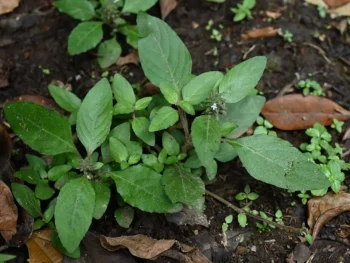
Blue Pussyleaf: A Charming Native Groundcover for Tropical Gardens
If you’re gardening in Puerto Rico or other tropical Caribbean locations, you might want to get acquainted with blue pussyleaf (Nelsonia canescens). This delightful little native plant might not win any height contests, but what it lacks in stature, it makes up for in charm and ecological value.
What Exactly is Blue Pussyleaf?
Blue pussyleaf is an annual forb—basically a non-woody flowering plant that completes its life cycle in one growing season. Don’t let the annual label fool you into thinking it’s high-maintenance; this adaptable native has been thriving in Caribbean ecosystems long before gardeners came along to fuss over it.
You might also encounter this plant listed under its botanical synonyms Justicia brunelloides or Nelsonia brunelloides in older gardening references, but Nelsonia canescens is the current accepted name.
Where Does Blue Pussyleaf Call Home?
This plant is a true Puerto Rican native, naturally occurring throughout the island. Its native range extends to other parts of the Caribbean region, where it has adapted to local growing conditions over thousands of years.
- Species observed
- No observations
Why Consider Growing Blue Pussyleaf?
There are several compelling reasons to give this native plant a spot in your garden:
- Native plant benefits: Supporting local ecosystems by choosing plants that naturally belong in your area
- Low maintenance: Once established, it requires minimal care and intervention
- Pollinator support: Small blue to purple flowers attract bees, butterflies, and other beneficial insects
- Versatile growing conditions: Adaptable to both wetland and non-wetland environments
- Natural groundcover: Creates a living carpet in naturalized garden areas
Perfect Garden Settings
Blue pussyleaf works beautifully in:
- Native plant gardens
- Tropical landscape designs
- Naturalized or wildflower areas
- Understory plantings beneath larger native trees
- Rain gardens or areas with variable moisture
Growing Conditions and Care
One of the best things about blue pussyleaf is its adaptability. Here’s what this easy-going native prefers:
Climate: Suited for USDA hardiness zones 10-11, making it ideal for year-round tropical and subtropical climates.
Moisture: This plant is remarkably flexible when it comes to water. In Puerto Rico and the Caribbean, it rates as facultative wetland, meaning it usually thrives in moist conditions but can handle drier spots too. In coastal areas, it’s simply facultative, happily growing in both wet and dry locations.
Light: Performs well in partial shade to full sun, though it seems to appreciate some protection from intense midday heat.
Soil: Not particularly fussy about soil type, as long as drainage is reasonable.
Planting and Maintenance Tips
As an annual, blue pussyleaf will complete its life cycle within one growing season, but don’t worry—it typically self-seeds readily in suitable conditions. Here are some tips for success:
- Plant in spring after any chance of cool weather has passed
- Provide consistent moisture during establishment
- Allow some plants to go to seed for natural regeneration
- Minimal fertilization needed—native plants are adapted to local soil conditions
- Deadheading isn’t necessary unless you want to prevent self-seeding in specific areas
Is Blue Pussyleaf Right for Your Garden?
The main limitation of blue pussyleaf is geographic—it’s really only suitable for gardeners in tropical zones 10-11. If you’re gardening in Puerto Rico or similar Caribbean climates, this native annual offers an excellent way to support local wildlife while adding delicate beauty to naturalized areas.
For gardeners outside its native range, this plant won’t survive cooler climates. Instead, look for native annuals and groundcovers suited to your specific region—every area has its own wonderful native plants waiting to be discovered!
Blue pussyleaf proves that sometimes the most valuable garden plants are the humble natives growing right under our noses. Give this charming groundcover a try, and you might find yourself with a new appreciation for the simple beauty of plants that truly belong in your landscape.