Blue Ridge Carrionflower: A Subtle Native Groundcover for Woodland Gardens
If you’re looking for a low-maintenance native plant that won’t steal the spotlight but will quietly do its job in your woodland garden, meet the Blue Ridge carrionflower (Smilax lasioneura). Don’t let the somewhat off-putting common name fool you – this perennial herb is a gentle, well-behaved addition to naturalized landscapes.
What Is Blue Ridge Carrionflower?
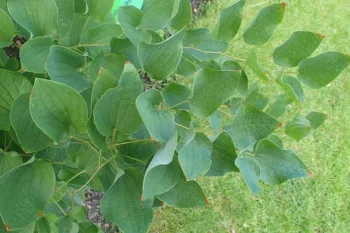
Blue Ridge carrionflower is a native North American perennial that belongs to the greenbrier family. Unlike its thorny cousins, this species is an herbaceous plant without significant woody tissue, making it much more garden-friendly. It grows as a low, trailing or climbing vine with heart-shaped leaves and produces small, inconspicuous greenish flowers in rounded clusters.
You might also encounter this plant listed under its scientific synonyms Nemexia lasioneura or Smilax herbacea var. lasioneura in older botanical references.
Where Does It Grow Naturally?
This native beauty has an impressive range across North America. You’ll find it growing naturally from southeastern Canada down through much of the eastern and central United States. Its distribution spans from Alabama and Florida in the south, west to Texas and Colorado, and north to Manitoba and Saskatchewan in Canada. It thrives in states including North Carolina, Virginia, Kentucky, Illinois, Minnesota, and many others across this broad geographic range.
- Species observed
- No observations
Why Consider Blue Ridge Carrionflower for Your Garden?
Here are the compelling reasons to give this understated native a spot in your landscape:
- True native credentials: Supporting local ecosystems by choosing plants indigenous to North America
- Low maintenance: Once established, it requires minimal care and attention
- Shade tolerance: Perfect for those challenging shady spots where other plants struggle
- Wildlife value: Small berries provide food for birds, and flowers attract various insects
- Natural groundcover: Spreads gently via underground rhizomes to create natural coverage
Garden Design and Landscape Role
Blue Ridge carrionflower excels as a subtle groundcover in woodland and naturalized garden settings. It’s not a showstopper – think of it more as a supporting player that helps create that authentic woodland feel. This plant works beautifully in:
- Native plant gardens
- Woodland landscapes
- Shade gardens
- Naturalized areas
- Rain gardens (with proper drainage)
Its trailing habit makes it excellent for covering ground beneath trees or filling in gaps between larger native plants.
Growing Conditions and Care
One of the best things about Blue Ridge carrionflower is how adaptable it is. Here’s what it prefers:
Light: Partial to full shade – perfect for those spots where sun-loving plants won’t thrive
Soil: Moist, well-drained soil, but tolerates various soil types once established
Hardiness: Cold-hardy in USDA zones 3-8, making it suitable for most temperate regions
Water: Moderate moisture needs; drought-tolerant once established
Planting and Care Tips
Getting started with Blue Ridge carrionflower is refreshingly straightforward:
- Planting time: Spring or early fall for best establishment
- Spacing: Allow room for spreading – it will naturally fill in over time
- Support: If you want it to climb, provide gentle support like a small trellis or let it ramble over logs
- Maintenance: Minimal pruning needed; simply remove any dead growth in late winter
- Propagation: Spreads naturally by rhizomes; can also be grown from seed
Wildlife and Pollinator Benefits
While Blue Ridge carrionflower may not be the most glamorous pollinator plant, it does provide ecological value. The small flowers attract flies and other insects, and the dark berries that follow feed various bird species. It’s these quiet contributors that help create a balanced, functioning ecosystem in your garden.
Potential Drawbacks
Honesty time – Blue Ridge carrionflower isn’t for everyone. Consider these factors:
- Subtle aesthetic appeal – not a showy ornamental
- Can spread via rhizomes (though not aggressively)
- Flowers have a slight carrion-like scent (hence the name), though it’s generally not noticeable
The Bottom Line
Blue Ridge carrionflower is the perfect plant for gardeners who appreciate native species and want reliable, low-maintenance groundcover for shaded areas. While it won’t win any beauty contests, it’s a valuable team player in naturalized landscapes and woodland gardens. If you’re building habitat, supporting native ecosystems, or simply need something dependable for that tricky shady spot, this unassuming native deserves consideration.
Remember, not every plant needs to be a star – sometimes the supporting cast makes all the difference in creating a thriving, authentic native landscape.