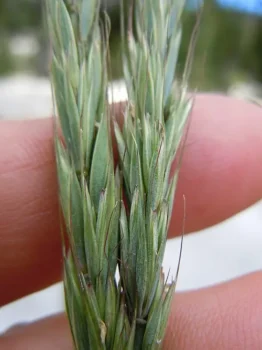
Blue Wildrye: The Hardy Native Grass That Thrives Where Others Give Up
If you’re searching for a tough, beautiful native grass that can handle whatever Mother Nature throws at it, let me introduce you to blue wildrye (Elymus glaucus). This remarkable perennial grass might just become your new best friend in the garden – especially if you’re dealing with challenging growing conditions that make other plants throw in the towel.
What Makes Blue Wildrye Special?
Blue wildrye is a true North American native, naturally occurring from the wilds of Alaska all the way down through Canada and across much of the United States. You’ll find this adaptable grass thriving in an impressive range of locations, including Alberta, British Columbia, Alaska, Manitoba, Arizona, Arkansas, California, Ontario, Colorado, Saskatchewan, Yukon, Northwest Territories, Idaho, Illinois, Kansas, Michigan, Missouri, Montana, Nevada, New Mexico, New York, North Dakota, Oklahoma, Oregon, South Dakota, Texas, Utah, Washington, and Wyoming.
- Species observed
- No observations
This bunch grass grows in attractive clumps rather than spreading aggressively, making it a well-behaved addition to any landscape. With its distinctive gray-green foliage and yellow flower spikes that appear in early summer, blue wildrye adds both color and texture to native plant gardens.
Why Your Garden Will Love Blue Wildrye
What sets blue wildrye apart from many other grasses is its incredible adaptability. This is a plant that genuinely doesn’t ask for much but gives back plenty in return. Here’s what makes it such a garden superstar:
- Rapid growth: Once established, blue wildrye takes off quickly, reaching its mature height of about 3.3 feet
- Drought champion: With high drought tolerance, it’s perfect for water-wise landscapes
- Soil flexibility: Whether your soil is coarse, fine, or somewhere in between, this grass adapts beautifully
- Cold hardy: It can withstand temperatures as low as -38°F, making it suitable for USDA hardiness zones 2-8
- Fire resilient: High fire tolerance makes it valuable for restoration and fire-prone areas
Perfect Spots for Blue Wildrye
Blue wildrye shines in naturalized landscapes, prairie gardens, and restoration projects. Its facultative upland status means it typically prefers non-wetland areas but can handle occasional moisture, making it versatile for various landscape positions. Consider using it for:
- Erosion control on slopes
- Low-maintenance native plantings
- Xeriscaping and drought-tolerant gardens
- Wildlife habitat restoration
- Structural elements in mixed native plant borders
Growing Blue Wildrye Successfully
The beauty of blue wildrye lies in its simplicity. This grass is refreshingly easy to grow, especially compared to many finicky ornamentals. Here’s how to set it up for success:
Starting from seed: Blue wildrye propagates readily from seed, which is routinely available commercially. With about 134,500 seeds per pound and high seedling vigor, you’ll have plenty of material to work with. The seeds do require cold stratification, so plan accordingly if starting indoors.
Site selection: While blue wildrye tolerates shade, it performs best in full sun. The good news is it’s not picky about soil pH (tolerating ranges from 5.8 to 8.5) and adapts to various soil textures.
Planting requirements: This grass needs at least 110 frost-free days and prefers areas receiving 16-60 inches of annual precipitation. Its deep root system (minimum 12 inches) helps it access water during dry spells.
Maintenance: Once established, blue wildrye requires minimal care. It has low fertility requirements and low moisture needs. The foliage is active through spring, summer, and fall, then becomes porous in winter as it enters dormancy.
Wildlife and Ecosystem Benefits
As a native grass, blue wildrye plays an important role in supporting local ecosystems. The seeds provide food for birds and small mammals, while the grass structure offers nesting sites and cover for various wildlife species. Its deep roots also help improve soil structure and prevent erosion.
The Bottom Line
Blue wildrye proves that native plants can be both beautiful and practical. If you’re looking for a low-maintenance grass that supports local wildlife, handles tough conditions with grace, and adds natural beauty to your landscape, this North American native deserves a spot in your garden. Plus, with its rapid growth and high drought tolerance, you’ll be amazed at how quickly it establishes and begins making your landscape look effortlessly natural.
Ready to give blue wildrye a try? Your garden – and the local wildlife – will thank you for choosing this resilient, beautiful native grass.