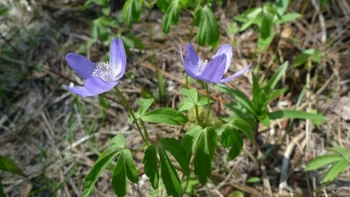
Blue Windflower: A Pacific Northwest Native That Brings Early Spring Magic
If you’re looking for a charming native plant that kicks off the growing season with delicate beauty, the blue windflower (Anemone oregana) might just be your new garden favorite. Don’t let the blue in the name fool you though – this little woodland gem typically produces pristine white flowers that occasionally show hints of pale blue, like nature’s own watercolor painting.
Where Blue Windflower Calls Home
Blue windflower is a true Pacific Northwest native, naturally found in the forested regions of California, Oregon, and Washington. As a native species to the lower 48 states, it’s perfectly adapted to the climate and growing conditions of the West Coast, making it an excellent choice for gardeners who want to work with nature rather than against it.
- Species observed
- No observations
What Makes This Plant Special
This perennial forb (that’s gardener-speak for a non-woody flowering plant) has a few tricks up its sleeve that make it particularly appealing:
- Early spring bloomer when most plants are still snoozing
- Delicate white flowers with 5-8 petals that seem to dance in the breeze
- Deeply divided, attractive foliage that adds texture to shaded areas
- Low-maintenance once established
- Spreads naturally to form lovely colonies
Perfect Garden Situations
Blue windflower thrives in USDA hardiness zones 6-9, making it suitable for most Pacific Northwest gardens. It’s particularly fantastic in:
- Woodland gardens where it can naturalize under trees
- Shade gardens that need early spring interest
- Native plant landscapes
- Areas where you want low-maintenance groundcover
Its wetland status as Facultative Upland means it usually prefers non-wetland conditions but can tolerate some moisture, giving you flexibility in placement.
Growing Conditions That Make It Happy
Blue windflower isn’t particularly fussy, but it does have preferences:
- Light: Partial to full shade (think forest floor conditions)
- Soil: Moist but well-draining, rich in organic matter
- Water: Regular moisture in spring, can tolerate some summer drought once established
- pH: Adaptable to most soil types
Planting and Care Tips
Getting blue windflower established in your garden is refreshingly straightforward:
- Plant rhizomes in fall for spring blooms
- Space about 6-12 inches apart
- Apply a good layer of organic mulch to retain moisture and suppress weeds
- Water regularly the first year, then let nature take over
- Allow plants to naturalize – they’ll reward you with expanding colonies
- Minimal fertilization needed if soil is rich in organic matter
Wildlife and Pollinator Benefits
One of the best reasons to plant blue windflower is its early bloom time. When bees and other pollinators emerge from winter dormancy, there often isn’t much available for them to eat. Blue windflower’s early spring flowers provide crucial nectar and pollen when these beneficial insects need it most. It’s like setting up a breakfast buffet for your garden’s hardest workers!
The Bottom Line
Blue windflower is one of those plants that gives you maximum impact with minimum effort. It’s native, low-maintenance, supports wildlife, and provides that magical early spring moment when you realize winter is finally releasing its grip. If you have a shaded spot that could use some early season pizzazz, this Pacific Northwest native deserves serious consideration.
Plus, there’s something deeply satisfying about growing a plant that was thriving in your region long before any of us arrived on the scene. Blue windflower connects your garden to the natural heritage of the Pacific Northwest – and that’s pretty special indeed.