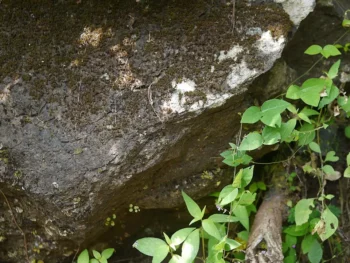
Blue Wiss: A Lesser-Known Tropical Legume Worth Knowing About
If you’ve stumbled upon the name blue wiss in your plant research, you’ve discovered one of the more mysterious members of the legume family. Known scientifically as Teramnus labialis, this perennial herb represents the fascinating world of plants that exist somewhat under the radar of mainstream gardening.
What Exactly Is Blue Wiss?
Blue wiss is a perennial forb—essentially a non-woody plant that dies back to the ground each year but returns from its roots. As a member of the legume family, it shares characteristics with more familiar plants like beans and peas, though it maintains a much lower profile in gardening circles.
This herbaceous plant lacks the significant woody tissue you’d find in shrubs or trees, instead developing its structure through softer, more flexible stems that emerge from perennating buds located at or below ground level.
Where Does Blue Wiss Call Home?
The native story of blue wiss is a bit complex. This plant is indigenous to Puerto Rico and the U.S. Virgin Islands, where it grows as part of the natural ecosystem. However, it has also established itself in other Pacific Basin locations including Guam and Palau, where it’s considered non-native but has naturalized successfully.
- Species observed
- No observations
The Mystery of Growing Blue Wiss
Here’s where things get interesting—and a bit frustrating for curious gardeners. Despite its presence across several tropical locations, detailed growing information for blue wiss remains surprisingly scarce. What we do know is limited but telling:
- It’s a facultative wetland plant in Hawaii, meaning it can handle both wet and moderately dry conditions
- As a legume, it likely fixes nitrogen in the soil
- Its perennial nature suggests it’s adapted to return year after year in suitable climates
Should You Grow Blue Wiss?
The honest answer is: it’s complicated. While blue wiss isn’t listed as invasive or noxious, the lack of detailed horticultural information makes it a challenging choice for most gardeners. Without clear guidance on growing conditions, care requirements, or even basic characteristics like mature size and appearance, it’s difficult to recommend this plant with confidence.
Better Alternatives for Your Garden
If you’re drawn to the idea of growing native legumes, consider these better-documented alternatives that are native to your specific region:
- Wild bergamot and other native wildflowers for temperate climates
- Native Clover species appropriate to your area
- Regional native vines and ground covers
Your local native plant society or extension office can provide excellent recommendations for leguminous plants that will thrive in your specific location while supporting local ecosystems.
The Bigger Picture
Blue wiss represents something important in the plant world—the reality that not every species has been thoroughly studied or documented for horticultural use. While this makes it unsuitable for most garden applications, it serves as a reminder of the vast diversity of plant life that exists beyond our cultivated landscapes.
If you’re interested in supporting biodiversity and ecosystem health, focusing on well-documented native plants for your region will provide much greater success and environmental benefit than experimenting with poorly understood species like blue wiss.
Sometimes the most interesting plants are the ones we admire from afar while choosing more practical alternatives for our gardens!