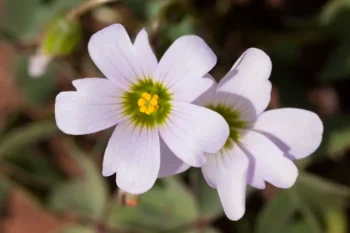
Blue Woodsorrel: A Charming Native Wildflower for Southwestern Gardens
If you’re looking to add authentic southwestern charm to your garden, blue woodsorrel might just be the delightful native wildflower you’ve been searching for. This lesser-known member of the wood sorrel family brings natural beauty and ecological value to gardens across the American Southwest.
Meet the Blue Woodsorrel
Blue woodsorrel (Oxalis caerulea) is a native perennial forb that calls the southwestern United States home. As a forb, it’s a non-woody plant that returns year after year, making it a reliable addition to native plant gardens. You might occasionally see it listed under its botanical synonym, Ionoxalis caerulea, but don’t let the different names confuse you—it’s the same charming plant.
Where Does Blue Woodsorrel Grow Wild?
This native beauty has a relatively limited natural range, growing wild in Arizona and New Mexico. Its presence in these two southwestern states makes it a true regional native, perfectly adapted to the unique climate and growing conditions of the American Southwest.
- Species observed
- No observations
Why Consider Blue Woodsorrel for Your Garden?
While information about this specific species is limited in horticultural literature, there are several compelling reasons to consider blue woodsorrel for your native garden:
- True native status: Supporting plants indigenous to your region helps preserve local ecosystems
- Perennial reliability: Once established, this plant returns year after year
- Regional authenticity: Perfect for creating authentic southwestern landscapes
- Low-maintenance appeal: Native plants typically require less water and care once established
Garden Design and Landscape Role
Blue woodsorrel likely works best in:
- Native plant gardens focused on southwestern flora
- Xeriscape and drought-tolerant landscapes
- Rock gardens where its delicate form can shine
- Naturalized areas that mimic wild southwestern habitats
As a forb, this plant probably serves as an excellent ground-level addition to gardens, providing texture and seasonal interest without competing with larger shrubs and trees.
Growing Conditions and Care
While specific growing requirements for blue woodsorrel are not well-documented, we can make educated assumptions based on its native habitat:
- Climate zones: Likely thrives in USDA hardiness zones 7-10
- Soil preferences: Probably prefers well-draining soils typical of southwestern regions
- Water needs: Likely drought-tolerant once established, requiring minimal supplemental watering
- Sun exposure: Probably adaptable to various light conditions from partial shade to full sun
Planting and Care Tips
Since detailed cultivation information is scarce for this species, here are general guidelines for success:
- Plant in well-draining soil to prevent root rot
- Allow the plant to establish naturally without overwatering
- Avoid heavy fertilization, as native plants typically prefer lean soils
- Be patient—native plants often take time to establish but reward you with low-maintenance beauty
Supporting Wildlife and Pollinators
While specific wildlife benefits aren’t well-documented for blue woodsorrel, native plants typically support local ecosystems by providing nectar for native pollinators and habitat for regional wildlife. The small flowers characteristic of Oxalis species often attract native bees and other beneficial insects.
The Challenge of Limited Availability
One potential drawback of blue woodsorrel is its limited presence in the horticultural trade. This native plant isn’t commonly found in mainstream nurseries, which might make sourcing it challenging. However, specialty native plant nurseries in Arizona and New Mexico may carry it, and it’s worth the effort to track down for dedicated native plant enthusiasts.
Is Blue Woodsorrel Right for Your Garden?
Blue woodsorrel is an excellent choice if you’re gardening in its native range of Arizona or New Mexico and want to create an authentic regional landscape. While we’d love to provide more specific details about this charming native, its relative obscurity in horticultural literature speaks to both its rarity in cultivation and its potential as a unique addition to specialized native gardens.
If you’re passionate about supporting true native flora and don’t mind working with a plant that marches to its own drum, blue woodsorrel could be a delightful discovery for your southwestern native garden. Just remember to source it responsibly from reputable native plant suppliers who can ensure you’re getting the genuine article.