Bluebill: A Native Climbing Beauty for Your Garden
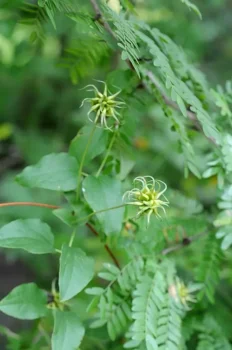
If you’re looking for a native vine that combines stunning flowers with easy care, meet the bluebill (Clematis pitcheri). This charming climber proves that native plants can be just as gorgeous as any exotic import, while providing valuable benefits to local wildlife and ecosystems.
What Makes Bluebill Special
Bluebill is a true American native, naturally occurring across the central United States. You’ll find this perennial vine growing wild in states including Arkansas, Illinois, Indiana, Iowa, Kansas, Kentucky, Mississippi, Missouri, Nebraska, New Mexico, Oklahoma, Tennessee, and Texas. As a facultative upland plant, it typically thrives in non-wetland areas but can adapt to occasionally moist conditions.
- Species observed
- No observations
This twining climber showcases beautiful purple, bell-shaped flowers that dangle gracefully from its stems throughout late spring and summer. The blooms are followed by equally attractive feathery seed heads that add interest well into fall, making bluebill a plant that truly earns its keep across multiple seasons.
Why Choose Bluebill for Your Garden
There are plenty of reasons to fall in love with this native vine:
- Supports local pollinators including bees and butterflies
- Drought tolerant once established, perfect for water-wise gardening
- Provides vertical interest without being aggressive or invasive
- Low maintenance requirements make it ideal for busy gardeners
- Beautiful flowers followed by ornamental seed heads
- Hardy across USDA zones 4-8
Perfect Garden Companions
Bluebill shines in native plant gardens, prairie-style landscapes, and cottage gardens. It’s particularly stunning when allowed to climb through native shrubs or up rustic trellises and arbors. Consider pairing it with other native plants like purple coneflower, wild bergamot, or native grasses for a truly authentic prairie look.
This vine works beautifully in wildlife gardens where its flowers attract pollinators and its seeds may provide food for birds. It’s also an excellent choice for gardeners looking to create habitat corridors or support local ecosystems.
Growing Bluebill Successfully
One of bluebill’s best features is how easy it is to grow. Here’s what you need to know:
Light Requirements: Bluebill performs best in full sun but will tolerate partial shade. More sun typically means more flowers.
Soil Needs: Well-draining soil is key. This adaptable native isn’t fussy about soil type but won’t tolerate waterlogged conditions.
Water: Once established, bluebill is quite drought tolerant. Water regularly the first year, then let natural rainfall do most of the work.
Support: As a climbing vine, bluebill needs something to climb. Provide a trellis, fence, or allow it to scramble through sturdy shrubs.
Planting and Care Tips
Plant bluebill in spring after the last frost. Dig a hole twice as wide as the root ball and plant at the same depth it was growing in the container. Water thoroughly after planting and mulch around the base to retain moisture and suppress weeds.
Annual care is minimal. In late winter or early spring, cut the vine back to about 12-18 inches from the ground. This may seem drastic, but clematis responds well to hard pruning and will quickly regrow with vigorous new growth.
Fertilizing is rarely necessary for this native plant. If your soil is particularly poor, a light application of compost in spring will provide all the nutrition bluebill needs.
A Native Worth Growing
Bluebill proves that native plants deserve a place in every garden. With its beautiful flowers, easy care requirements, and valuable wildlife benefits, this climbing native offers everything gardeners want in a vine. Whether you’re creating a wildlife habitat, adding vertical interest to a small space, or simply wanting to grow plants that belong in your local ecosystem, bluebill is a choice you won’t regret.
By choosing native plants like bluebill, you’re not just creating a beautiful garden—you’re supporting the web of life that makes your local environment thrive. Now that’s something worth climbing for!