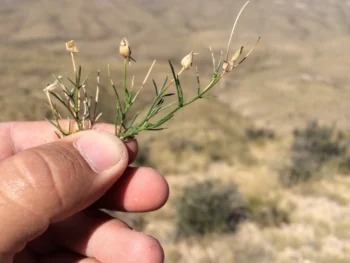
Bluebowls: A Hardy Native Wildflower for Low-Maintenance Gardens
If you’re looking for a native wildflower that’s as tough as it is charming, meet bluebowls (Giliastrum acerosum). This delightful little plant might not win any height contests, but what it lacks in stature, it makes up for in resilience and understated beauty. Perfect for gardeners who want to support local ecosystems without breaking their backs—or their water bills.
What Exactly Are Bluebowls?
Bluebowls are native wildflowers that call the American Southwest home. As a forb herb, this plant stays relatively low to the ground and never develops woody stems like shrubs or trees. Think of it as nature’s version of a ground-hugging carpet that bursts into color when conditions are just right.
The plant can behave as either an annual or perennial, depending on growing conditions—a bit like that friend who can’t decide whether they’re a morning person or a night owl. This flexibility helps bluebowls adapt to the sometimes harsh conditions of their native range.
Where Bluebowls Call Home
These hardy natives naturally occur across six southwestern states: Arizona, Colorado, Kansas, New Mexico, Oklahoma, and Texas. They’ve evolved to thrive in the challenging conditions of the American Southwest, from high desert plateaus to prairie grasslands.
- Species observed
- No observations
Why Your Garden Will Love Bluebowls
Here’s where bluebowls really shine as garden companions:
- Water-wise wonder: Once established, these plants are incredibly drought tolerant
- Pollinator magnet: The small blue to purple funnel-shaped flowers attract native bees and other beneficial insects
- Low maintenance: Perfect for gardeners who prefer plants that take care of themselves
- Native credentials: Supporting local ecosystems while reducing the need for intensive gardening
Perfect Garden Spots for Bluebowls
Bluebowls are ideal for:
- Native plant gardens and prairie restorations
- Xeriscaping and drought-tolerant landscapes
- Rock gardens and desert-themed spaces
- Wildflower meadows and naturalized areas
- Pollinator gardens focused on native species
Growing Conditions That Make Bluebowls Happy
The secret to success with bluebowls is thinking like the plant—imagine you’re a tough little wildflower that’s used to making do with less:
- Sunlight: Full sun is essential for best flowering
- Soil: Well-draining sandy or rocky soils work best
- Water: Minimal once established—overwatering is more dangerous than drought
- Climate: Hardy in USDA zones 4-8, handling both cold winters and hot summers
Planting and Care Tips
The beauty of bluebowls lies in their simplicity. Here’s how to give them the best start:
- Timing: Plant seeds in fall or early spring when temperatures are moderate
- Soil prep: Ensure excellent drainage—soggy soil is this plant’s kryptonite
- Watering: Water gently until established, then step back and let nature take over
- Maintenance: Minimal care needed—just remove weeds that might compete for space
Supporting Native Ecosystems
By choosing bluebowls for your garden, you’re doing more than just adding pretty flowers. You’re creating habitat for native pollinators, reducing water usage, and supporting plant communities that have evolved together over thousands of years. It’s like joining a conservation effort right in your own backyard.
Is Bluebowls Right for Your Garden?
Bluebowls are perfect if you want a native plant that’s genuinely low-maintenance and supports local wildlife. They’re ideal for gardeners in the Southwest who want to work with their natural climate rather than against it. However, if you’re looking for showy, large flowers or plants that need regular attention, you might want to consider other options.
This little native wildflower proves that sometimes the best garden additions are the ones that ask for the least while giving back the most to the local ecosystem.