Blueflower Eryngo: A Stunning Native Wildflower for Southern Gardens
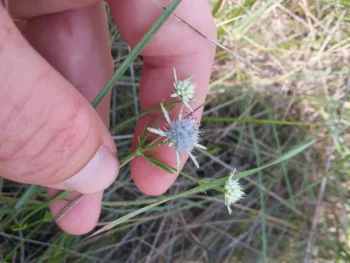
If you’re looking for a native wildflower that combines striking beauty with ecological benefits, blueflower eryngo (Eryngium integrifolium) might just be the perfect addition to your garden. This fascinating perennial brings an almost otherworldly charm to landscapes with its distinctive spiny flower heads and silvery-blue bracts that seem to shimmer in the sunlight.
What Makes Blueflower Eryngo Special?
Blueflower eryngo is a true native treasure of the southeastern United States. This herbaceous perennial forb produces unique flower heads that look like tiny blue pincushions surrounded by sharp, silvery bracts. The flowers typically bloom from summer into fall, creating a long-lasting display that transitions beautifully through the seasons.
What sets this plant apart is its architectural quality – it doesn’t just blend into the garden background but commands attention with its bold, sculptural form. The steel-blue coloration is relatively rare in the native plant world, making it a coveted addition for gardeners seeking something truly distinctive.
Where Does Blueflower Eryngo Grow Naturally?
This native beauty calls the southeastern United States home, naturally occurring across Alabama, Arkansas, Florida, Georgia, Kentucky, Louisiana, Mississippi, North Carolina, Oklahoma, South Carolina, Tennessee, Texas, and Virginia. It’s particularly well-adapted to the coastal plain and piedmont regions of these states.
- Species observed
- No observations
A Note About Conservation
Before you rush out to plant blueflower eryngo, it’s important to know that this species has some conservation concerns. In Arkansas, it’s classified as S2, meaning it’s rare within the state. If you’re interested in growing this plant, please make sure to source it responsibly from reputable native plant nurseries rather than collecting from wild populations. By choosing nursery-grown plants, you can enjoy this beauty in your garden while helping protect wild populations.
Why Grow Blueflower Eryngo?
There are several compelling reasons to include blueflower eryngo in your landscape:
- Pollinator magnet: The unique flowers attract a variety of native bees, butterflies, and other beneficial insects
- Low maintenance: Once established, this perennial requires minimal care
- Unique aesthetics: The metallic blue flowers and architectural form add drama to any planting
- Native plant benefits: Supporting local ecosystems and wildlife
- Long bloom time: Flowers persist from summer through fall
Perfect Garden Settings
Blueflower eryngo shines in several types of garden settings:
- Native plant gardens: A natural choice for authentic regional plantings
- Rain gardens: Its tolerance for wet conditions makes it ideal for managing stormwater
- Pollinator gardens: Essential for supporting native bee and butterfly populations
- Naturalized landscapes: Perfect for creating low-maintenance, wildlife-friendly areas
- Mixed perennial borders: Adds unique texture and color as an accent plant
Growing Conditions and Care
The good news is that blueflower eryngo is relatively easy to grow once you understand its preferences. This plant is classified as a facultative wetland species, meaning it usually prefers wet conditions but can tolerate drier sites.
Hardiness: Suitable for USDA zones 6-9, making it adaptable across much of its native range.
Sunlight: Performs best in full sun to partial shade conditions.
Soil: Prefers consistently moist to wet soils but can adapt to average garden conditions once established.
Water: Keep soil consistently moist, especially during the first growing season while plants establish their root systems.
Planting and Care Tips
Getting blueflower eryngo established in your garden is straightforward with these tips:
- Timing: Plant in spring after the last frost date in your area
- Soil preparation: While adaptable, amending heavy clay soils with organic matter will improve drainage and root development
- Spacing: Allow adequate space between plants for air circulation
- Watering: Maintain consistent moisture during the establishment period
- Mulching: Apply a thin layer of organic mulch to retain moisture and suppress weeds
- Maintenance: Deadhead spent flowers to encourage continued blooming, or leave them for winter interest and wildlife benefits
Supporting Wildlife
One of the best reasons to grow blueflower eryngo is its value to wildlife. The distinctive flowers provide nectar for a variety of pollinators, while the plant structure offers habitat for beneficial insects. Native bees particularly appreciate this plant, and you may notice increased pollinator activity in areas where it’s planted.
Is Blueflower Eryngo Right for Your Garden?
Blueflower eryngo is an excellent choice for gardeners who want to support native ecosystems while adding unique visual interest to their landscapes. It’s particularly valuable if you have areas with consistently moist soil or are creating rain gardens and naturalized spaces.
However, remember the importance of responsible sourcing due to its rarity status in some areas. Always purchase from reputable native plant nurseries, and consider this plant as part of a broader commitment to native gardening and conservation.
With its striking appearance, ecological benefits, and relatively low maintenance requirements, blueflower eryngo offers a wonderful opportunity to grow something truly special while contributing to the health of your local ecosystem. Your garden – and the local wildlife – will thank you for it!