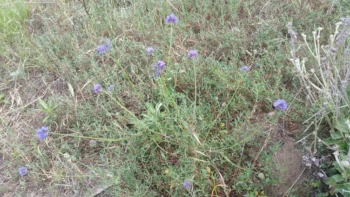
Bluehead Gilia: A Rare California Native Worth Considering
If you’re looking to add some true California character to your native garden, bluehead gilia (Gilia capitata chamissonis) might just be the hidden gem you’ve been searching for. This charming little wildflower represents one of nature’s more specialized creations – a plant so particular to its homeland that it’s earned a special conservation status.
What Makes Bluehead Gilia Special
Bluehead gilia is a native California forb, which means it’s a non-woody flowering plant that dies back to the ground each year (or in some cases, lives for multiple years). Don’t let the technical term forb fool you – this is simply a fancy way of saying it’s an herbaceous wildflower that adds natural beauty without the commitment of a woody shrub or tree.
This plant goes by the scientific name Gilia capitata chamissonis, and you might occasionally see it referenced by its synonyms Gilia achilleifolia var. chamissonis or Gilia achilleifolia ssp. chamissonis in older botanical references.
Where You’ll Find This California Native
Bluehead gilia calls California home exclusively, making it a true Golden State endemic. This limited geographic distribution is part of what makes this plant so special – and so important to conserve.
- Species observed
- No observations
A Word About Rarity
Here’s something important every potential grower should know: bluehead gilia has a Global Conservation Status of S5T2. While the exact meaning of this status code isn’t clearly defined in available sources, any conservation ranking indicates this plant deserves special attention. If you’re considering adding bluehead gilia to your garden, please ensure you source your plants or seeds from reputable native plant nurseries that use responsibly collected genetic material. Never harvest from wild populations.
Garden Design Potential
While specific details about bluehead gilia’s appearance and garden performance are limited in readily available sources, we know it belongs to a family of plants known for their delicate, often clustered flowers. As a California native forb, it would likely fit beautifully into:
- Native wildflower gardens
- California native plant landscapes
- Naturalized meadow areas
- Wildlife habitat gardens
Growing Bluehead Gilia Successfully
Unfortunately, specific growing requirements for this particular subspecies are not well-documented in common gardening resources. However, as a California native, it likely prefers:
- Well-draining soil
- Mediterranean climate conditions
- Minimal summer water once established
- Full sun to partial shade
Since this plant can be either annual or perennial, it may reseed itself naturally in favorable conditions, or you may need to replant it each year depending on your specific growing conditions.
Supporting Local Ecosystems
By choosing native California plants like bluehead gilia, you’re supporting local wildlife and maintaining the genetic heritage of your region’s natural plant communities. Native plants have co-evolved with local wildlife and are typically better adapted to local climate conditions than non-native alternatives.
The Bottom Line
Bluehead gilia represents an opportunity to grow something truly special – a plant that exists nowhere else on Earth except California. While growing information is limited, this rarity makes it all the more valuable for dedicated native plant gardeners willing to experiment and observe.
If you decide to try bluehead gilia in your garden, consider yourself a conservation partner. Document your successes and failures, and share your experiences with local native plant societies. Your observations could help other gardeners successfully grow this rare California treasure.
Remember: always source responsibly, never collect from the wild, and consider this plant as part of a broader commitment to native landscaping rather than as a standalone garden addition.