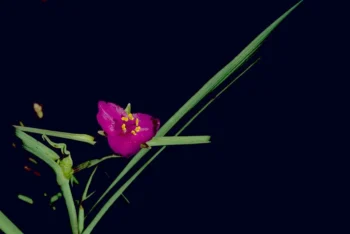
Bluejacket: A Native Wildflower Perfect for Low-Maintenance Gardens
Meet the bluejacket (Tradescantia ohiensis), a charming native perennial that’s been quietly beautifying North American landscapes for centuries. This unassuming wildflower might not win any flashy garden contests, but it’s exactly the kind of reliable, low-fuss plant that makes gardening feel less like work and more like pure joy.
What Makes Bluejacket Special?
Bluejacket is a native forb – basically a fancy way of saying it’s a non-woody perennial herb that comes back year after year. This delightful plant produces clusters of small, three-petaled flowers that range from deep blue to purple, creating a subtle but striking display from late spring through summer. The narrow, grass-like leaves form attractive clumps that add texture to any garden setting.
You might also see this plant listed under several scientific synonyms, including Tradescantia canaliculata, Tradescantia foliosa, or Tradescantia reflexa, but they’re all referring to our beloved bluejacket.
Where Does Bluejacket Call Home?
This native beauty has an impressively wide natural range, stretching across most of the eastern and central United States, plus parts of Ontario, Canada. You’ll find bluejacket growing wild in states from Maine down to Florida and as far west as Texas and Nebraska. It’s truly a coast-to-coast native that feels at home in diverse climates and conditions.
- Species observed
- No observations
Important Conservation Note
Before you rush out to get your hands on some bluejacket, here’s something worth knowing: this plant has a rarity status of S2 (imperiled) in New Jersey and Ohio, meaning it’s uncommon in those areas. If you live in these regions, definitely consider adding bluejacket to your garden – but please make sure you source it from reputable native plant nurseries rather than collecting from the wild.
Perfect Spots for Bluejacket in Your Garden
Bluejacket is wonderfully adaptable when it comes to growing conditions. Here’s what makes it such a garden-friendly choice:
- Light requirements: Partial shade to full sun – it’s not picky!
- Soil moisture: Thrives in everything from moist to moderately dry soils
- Hardiness zones: 4-9, making it suitable for most temperate regions
- Soil type: Adaptable to various soil conditions
The plant’s wetland status varies by region – it can handle both wetland and upland conditions, though it tends to prefer non-wetland sites in many areas. This flexibility makes it an excellent choice for rain gardens, woodland edges, or naturalized areas where water levels might fluctuate.
Garden Design Ideas
Bluejacket shines in several garden styles:
- Native plant gardens: A no-brainer for authentic native landscaping
- Wildflower meadows: Adds subtle color without overwhelming showier blooms
- Woodland gardens: Perfect for partially shaded areas under trees
- Rain gardens: Its moisture tolerance makes it ideal for managing runoff
- Ground cover: Spreads naturally to fill in spaces
Wildlife and Pollinator Benefits
While bluejacket might not be the most heavily used wildlife plant, it still pulls its weight in the ecosystem. The flowers attract bees, butterflies, and other small pollinators who appreciate the accessible nectar and pollen. According to wildlife studies, it provides some food and cover for both large animals and terrestrial birds, though it’s typically a supplementary rather than primary food source.
Growing and Care Tips
Here’s the best part about bluejacket – it’s incredibly easy to grow! This low-maintenance perennial spreads gradually through underground rhizomes, creating natural colonies over time without being aggressive or invasive.
Planting tips:
- Plant in spring or fall for best establishment
- Space plants 12-18 inches apart if you’re starting with small specimens
- Water regularly during the first growing season to help establish roots
- Once established, it’s quite drought tolerant
Ongoing care:
- Minimal fertilization needed – it thrives in average garden soil
- Deadhead spent flowers if you want to prevent self-seeding
- Divide clumps every 3-4 years if they become too large
- Cut back in late fall or early spring
Why Choose Bluejacket?
In a world of high-maintenance garden divas, bluejacket is the reliable friend who’s always there for you. It’s native, adaptable, supports local wildlife, and asks for very little in return. Plus, there’s something deeply satisfying about growing a plant that truly belongs in your local ecosystem.
Whether you’re creating a native plant sanctuary, looking for easy ground cover, or just want to add some authentic local character to your landscape, bluejacket deserves a spot in your garden. Just remember to source it responsibly, especially if you’re in New Jersey or Ohio where it’s less common in the wild.
Sometimes the best garden additions are the ones that work quietly behind the scenes, and bluejacket is exactly that kind of garden hero.