Bluestar: The Native Perennial That Shines in Every Season
If you’re looking for a low-maintenance native perennial that delivers beauty from spring through fall, let me introduce you to bluestar (Amsonia). This unsung hero of the native plant world might just become your new favorite garden companion – and here’s why it deserves a spot in your landscape.
What Makes Bluestar Special?
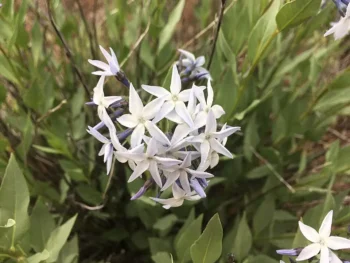
Bluestar is a herbaceous perennial that’s as reliable as it is beautiful. This native gem produces clusters of delicate, star-shaped blue flowers in late spring, followed by attractive narrow leaves that transform into stunning golden-yellow fall color. It’s like getting three plants in one – spring bloomer, summer structure, and autumn showstopper.
A True American Native
One of the best things about bluestar? It’s a genuine native species found naturally across much of the United States. This perennial calls home to an impressive range of states including Alabama, Arizona, Arkansas, California, Colorado, Connecticut, Delaware, Florida, Georgia, Illinois, Indiana, Kansas, Kentucky, Louisiana, Maryland, Massachusetts, Mississippi, Missouri, Nevada, New Jersey, New Mexico, New York, North Carolina, Ohio, Oklahoma, Pennsylvania, South Carolina, Tennessee, Texas, Utah, and Virginia.
- Species observed
- No observations
Perfect for Pollinators
Your local bees and butterflies will thank you for planting bluestar. Those charming spring flowers aren’t just pretty to look at – they’re valuable nectar sources for beneficial insects when many other plants are just waking up from winter. It’s a win-win for you and your garden’s ecosystem.
Where Does Bluestar Shine in Your Garden?
This versatile perennial works beautifully in several garden settings:
- Mid-border plantings in perennial gardens
- Cottage garden designs
- Prairie and naturalized landscapes
- Woodland edge plantings
- Native plant gardens
Bluestar forms attractive clumps that provide excellent structure and fill space nicely without being aggressive or invasive.
Growing Bluestar Successfully
Here’s the best part about bluestar – it’s remarkably easy to grow! This adaptable native thrives in USDA hardiness zones 3-9, making it suitable for most American gardens.
Ideal Growing Conditions
Bluestar is refreshingly flexible about its living conditions:
- Light: Full sun to partial shade (though full sun brings the best fall color)
- Soil: Adaptable to various soil types, but prefers well-draining conditions
- Water: Drought tolerant once established, though appreciates regular water during dry spells
Planting and Care Tips
Getting bluestar established in your garden couldn’t be simpler:
- Plant in spring or fall when temperatures are moderate
- Space plants 18-24 inches apart to allow for mature spread
- Add a layer of mulch around plants to retain moisture and suppress weeds
- Water regularly the first growing season to help establish strong roots
Ongoing Maintenance
Once established, bluestar is wonderfully low-maintenance:
- Cut back stems in late fall or early spring
- No need for regular fertilizing – it thrives in average garden soil
- Rarely bothered by pests or diseases
- Division is optional but can be done every 4-5 years if desired
Why Choose Bluestar?
In a world full of high-maintenance garden divas, bluestar stands out as the reliable friend who always shows up looking great. It offers genuine four-season interest, supports local wildlife, adapts to various growing conditions, and asks for very little in return. Plus, as a native species, you’re supporting local ecosystems while creating a beautiful landscape.
Whether you’re a beginning gardener looking for foolproof plants or an experienced gardener seeking reliable performers, bluestar delivers beauty and ecological value with minimal fuss. Give this native charmer a try – your garden (and local pollinators) will be better for it.