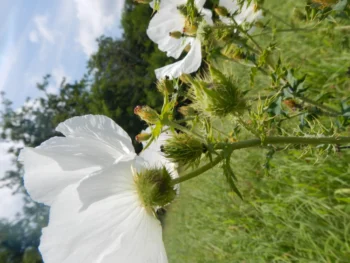
Bluestem Pricklypoppy: A Rare Native Wildflower for Southern Gardens
If you’re hunting for truly unique native plants to add character to your garden, you might want to get acquainted with the bluestem pricklypoppy (Argemone albiflora texana). This lesser-known native wildflower brings a touch of wild beauty to southern landscapes, though finding detailed growing information can be as elusive as the plant itself!
What Makes Bluestem Pricklypoppy Special?
Bluestem pricklypoppy is a native forb that calls the American South home. As an herbaceous plant without woody stems, it fits perfectly into the wildflower category that many native plant enthusiasts adore. This annual to biennial plant completes its life cycle in one to two years, making it a dynamic addition to any native plant collection.
Where Does It Grow Wild?
This native beauty has a fairly limited natural range, growing wild in just four states: Arkansas, Louisiana, Missouri, and Texas. Its distribution tells the story of a plant that’s perfectly adapted to southern growing conditions and climate patterns.
- Species observed
- No observations
The Challenge of Growing Bluestem Pricklypoppy
Here’s where things get interesting (and a bit frustrating for us plant nerds): specific growing information for Argemone albiflora texana is surprisingly scarce. This could mean a few things:
- It might be quite rare in cultivation
- It could have very specific growing requirements
- It may simply be overlooked in favor of more common native alternatives
What We Do Know
Based on its classification and native range, we can make some educated guesses about this plant’s preferences:
- Climate: Likely thrives in southern climates similar to its native Arkansas, Louisiana, Missouri, and Texas range
- Life cycle: As an annual or biennial, expect it to complete its growing cycle in one to two years
- Plant type: Being a forb, it’s herbaceous rather than woody
Should You Grow It?
The limited information available makes bluestem pricklypoppy something of a wildcard for home gardeners. If you’re in its native range and can source seeds or plants responsibly, it could be an exciting addition to a native wildflower garden or naturalized area.
However, given the uncertainty around its specific needs and availability, you might also consider these well-documented native alternatives from the same region:
- Other native wildflowers that thrive in southern conditions
- Regional native plant society recommendations for your specific area
- Plants with similar growth habits that are easier to source and grow
The Bottom Line
Bluestem pricklypoppy represents one of those fascinating native plants that reminds us how much we still have to learn about our local flora. While it might not be the easiest plant to grow or find, it’s exactly the kind of species that makes native gardening an adventure.
If you’re determined to grow this elusive beauty, your best bet is connecting with native plant societies in Arkansas, Louisiana, Missouri, or Texas, where local expertise might unlock the secrets to successfully cultivating this intriguing southern native.